


Herbal Consultation
Herbal Consultation
This dedicated session is focused entirely on your internal medicine needs using Traditional Chinese herbs. During this visit, we will assess your condition and craft a personalized treatment plan. While herbs can be discussed during acupuncture or TCM treatments as time permits, this appointment is ideal for new patients seeking an initial herbal prescription or for existing patients who need a focused follow-up to adjust formulas and track progress
-
Please provide a complete list of all supplements and medications you are currently taking so we can check for any interactions with herbal formulas. Please also be sure to provide all information regarding any allergies you may have.
-
-
Information on this website is intended to be informative and express the viewpoint of Chinese Medicine. The information and products provided on this website are for educational purposes only and have not been evaluated by the Food and Drug Administration (FDA). These products are not intended to diagnose, treat, cure, or prevent any disease. Consult a licensed TCM practitioner or healthcare professional before taking any herbal products if you are pregnant, nursing, have a pre-existing medical condition, or are taking prescription medications. Individual results may vary
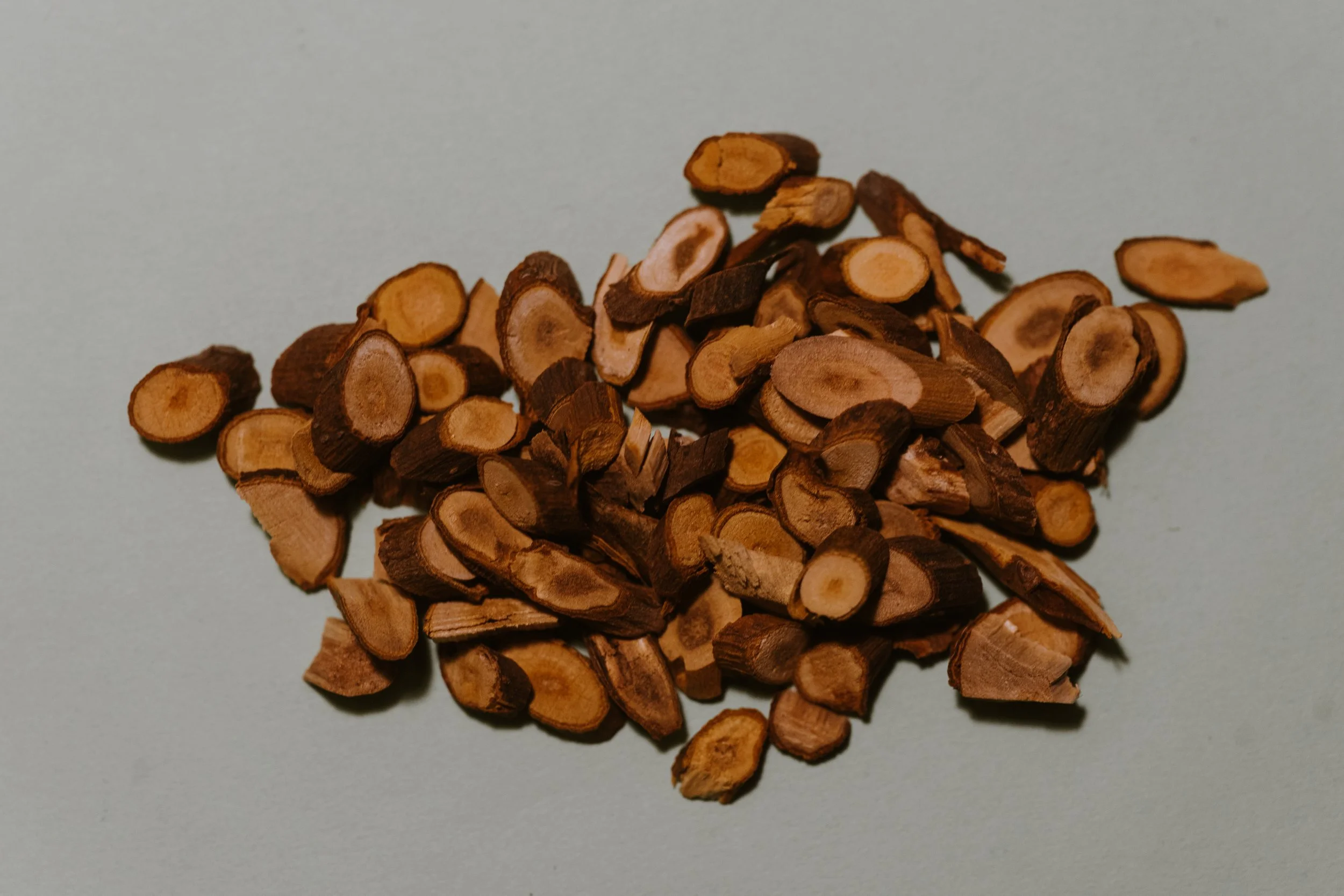
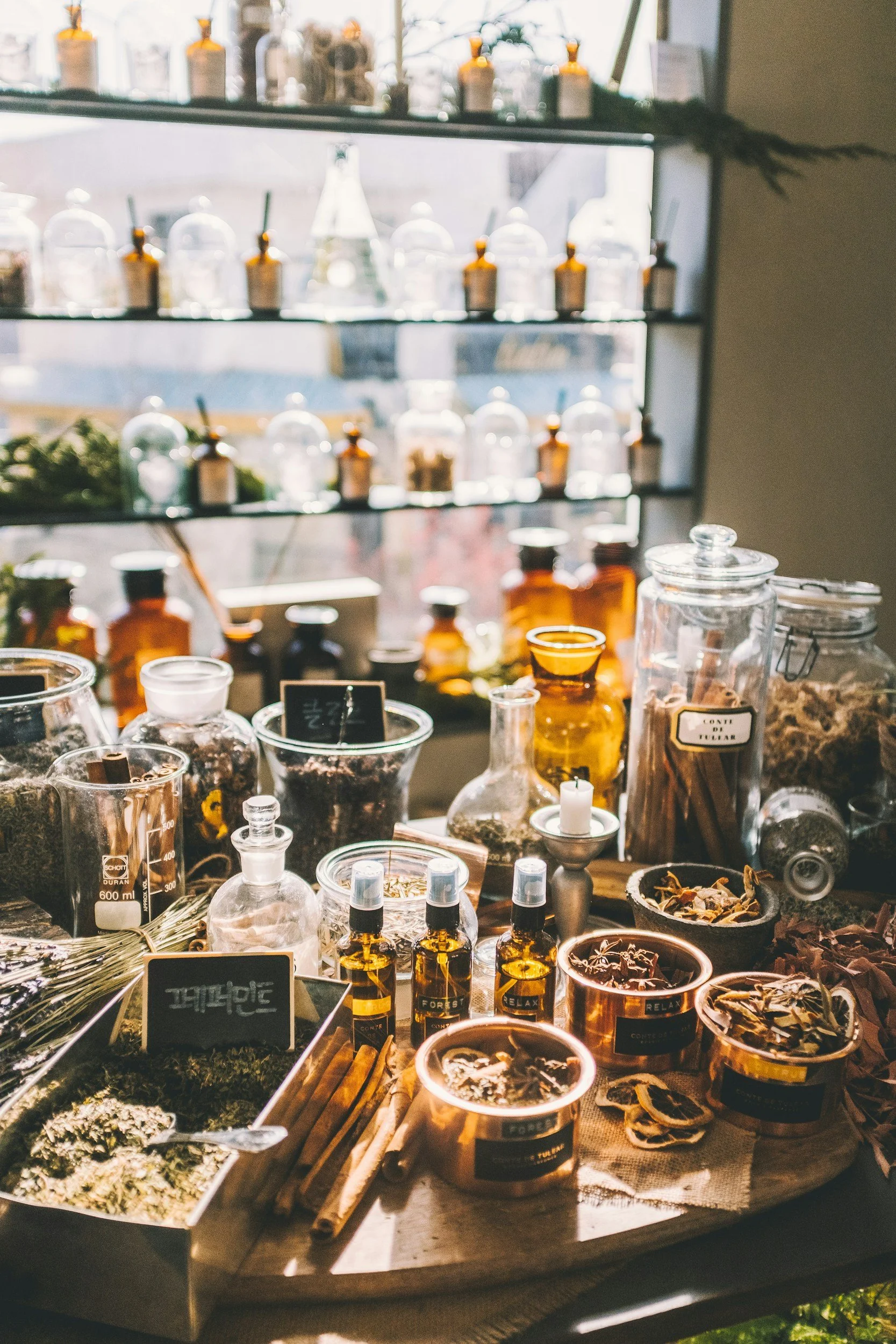
What to Expect during an Herbal Consultation
Health History & Assessment
Patient Interview: The consultation usually begins with a thorough interview. The herbalist will ask questions about your medical history, current health concerns, lifestyle, diet, sleep patterns, emotional well-being, and any medications or supplements you are taking. It's essential to be honest and provide detailed information to ensure an accurate assessment.
Physical Examination: In some cases, the herbalist may perform a physical examination, which can include checking your pulse, examining your tongue, and palpating specific areas of your body. These assessments provide valuable insights into your overall health and specific patterns of imbalance.
Diagnosis & Pattern Differentiation
Traditional Chinese Medicine (TCM) Diagnosis: Based on the information gathered, the herbalist will make a TCM diagnosis, which involves identifying patterns of imbalance within your body. These patterns may relate to Yin and Yang imbalances, Qi (vital energy) deficiencies or excesses, Blood circulation issues, and more.
Pattern Differentiation: The herbalist will determine the underlying patterns responsible for your symptoms. For example, if you have digestive issues, they may diagnose it as a "Spleen Qi Deficiency" pattern, which guides the selection of specific herbs.
Herbal Formula Prescription
Personalized Herbal Formula: Once the patterns of imbalance are identified, the herbalist will create a personalized herbal formula for you. This formula typically consists of a combination of Chinese herbs, each chosen for its specific properties and actions. The formula aims to address the root causes of your health issues and restore balance.
Dosage and Administration: The herbalist will provide instructions on how to take the herbal formula, including dosage, frequency, and any specific preparation methods (e.g., decoction, capsules, powders, or teas). It's crucial to follow these instructions precisely for the best results.
Lifestyle & Dietary Recommendations
Lifestyle Guidance: In addition to herbal remedies, your herbalist may offer lifestyle recommendations that can support your treatment. This may include advice on stress management, exercise, sleep hygiene, and other aspects of your daily life.
Dietary Guidance: Dietary recommendations may also be provided to enhance the effectiveness of the herbal treatment. Specific foods or dietary changes may be suggested to address your pattern of imbalance.
Follow-up & Monitoring
Treatment Duration: Depending on your condition, you may be advised to take the herbal formula for a specific duration, which may vary from a few days to several weeks. Acute conditions may require shorter treatment, while chronic issues may necessitate longer-term therapy.
Follow-Up Appointments: Follow-up appointments are essential to monitor your progress and adjust the herbal formula as needed. The herbalist will assess how your body responds to the treatment and make any necessary modifications.
Communication & Collaboration
Open Communication: Throughout the consultation and treatment process, it's essential to maintain open and honest communication with your herbalist. Inform them of any changes in your condition, side effects, or concerns.
Collaboration with Other Healthcare Providers: If you are receiving other forms of healthcare, such as medications or other complementary therapies, inform your herbalist. They can collaborate with other healthcare providers to ensure a comprehensive and safe approach to your health.
FAQs
-
One of the greatest strengths of Chinese herbal medicine is its versatility. Because it focuses on restoring balance and function to the body’s systems rather than just attacking a specific disease, it can be applied to a remarkably wide range of acute and chronic conditions.
Classically, Chinese herbs are known for regulating the digestive system, gynecological health (like menstrual cramps or PMS), respiratory issues (such as allergies or asthma), and stress-related disorders (like insomnia or anxiety). However, in a modern clinical setting, patients often seek herbal support for:
Pain Management: Chronic pain, arthritis, headaches, and muscle tension.
Immune Support: Frequent colds, autoimmune conditions, and allergy relief.
Mental/Emotional Health: Stress, anxiety, depression, and brain fog.
Digestive Disorders: IBS, bloating, acid reflux, and Crohn’s disease.
Skin Conditions: Eczema, acne, psoriasis, and hives.
Hormonal Health: Irregular periods, PCOS, menopause symptoms, and fertility support.
Chronic Fatigue: Low energy, long COVID recovery, and general debility.
Because your formula is customized to your unique pattern of symptoms, herbs can be adapted to help almost any system in the body.
-
Patient safety is our top priority. In many cases, herbal formulas can be taken alongside prescription medications, and they often work synergistically to support your overall health. However, it is absolutely essential that we proceed with caution and full transparency.
Chinese herbs are active medicine. Just as you would not mix two prescription drugs without a doctor's knowledge, we must ensure that your herbal formula and your medications interact safely. Some herbs can potentiate (strengthen) or interfere with the absorption of certain drugs. For example, some herbs may affect blood pressure medication, blood thinners (like Warfarin/Coumadin), or diabetes medications.
Please bring a list (or the actual bottles) of everything you are taking, including prescriptions, over-the-counter drugs, vitamins, and herbal supplements, to your initial consultation.
This allows us to create a treatment plan that supports your health safely and effectively!
-
Herbs can be prescribed in several different forms, depending on your condition, lifestyle, and treatment goals.
Raw Herbs (Decoctions): This is a historically traditional method. You receive a bundle of dried plant materials (roots, leaves, barks, etc.). We can decoct them in the clinic or you then cook them at home in a pot of water for about 45–60 minutes to create a tea, or "decoction." This is often considered the most potent and fast-acting method, ideal for acute or complex conditions.
Concentrated Granules (Dispensing Granules): This is the most popular modern choice. The herbs are cooked and then dehydrated into a fine powder or small granules. When you get home, you simply mix a scoop of the powder with hot water to create an instant tea. It has the same potency as a traditional decoction but offers the convenience of a quick, no-mess preparation.
Pills (Tablets or Capsules): These are commonly used for maintenance, long-term treatment, or to fit a certain lifestyle. The herbs can be ground into a powder and formed into pills or placed into capsules. This form is highly convenient but may be slightly slower-acting than decoctions or granules, making it great for chronic, stable conditions.
Patent Formulas (Traditional Ready-Made Pills): These are classic, time-tested formulas that have been used for centuries. While they are convenient, they are "standard" formulas and cannot be customized to your unique pattern. These are typically used for general support or when a patient's pattern matches a classic formula perfectly.
-
If you do not need a follow-up appointment, you can call our front desk at 612-345-5648 and request a refill. Depending on the type of herbal formula that was prescribed, it can be ready within 15 minutes.
In-house herbal decoctions take more time, so please call before you are out of your formula.