

Summer and TCM
Reiki, Energy Work, & Coaching
“TCM…sees the human body and its relationship to the earth and cosmos in a very holistic and interconnected way. Because of this, many TCM terms are borrowed from nature - such as cold, damp, heat and wind. The body is seen as being a part of, influenced by and responding to the world around us, and changing as the world around us and seasons change.”
Larissa Vados PhD LAc, MIHS co-owner
Traditional Chinese Medicine philosophy is deeply connected to nature, the elements, and the cycles of life. In TCM, each season is imbued with wisdom, challenges, and opportunities. In past blog articles we have explored fall, winter, and spring.
With summer solstice just past in the northern hemisphere and the calendar turning to July, this month we introduce summer.
Maximum Yang Time
In TCM, seasons are understood in terms of their relationship to yin and yang. In this worldview, there is no yang without yin, nor yin without yang; yin and yang exist in relationship to one another. Fall and spring are seasons where yin and yang are coming into and out of equilibrium, increasing and decreasing in relationship to one another.
Summer and winter represent the extremes in this ongoing dynamic dance between yin and yang. As the coldest, darkest, and most inward time of year, winter is consideredmaximum yin time. So it follows that summer is the time of maximum yang.Larissa Vados PhD LAc, MIHS co-owner explains summer yang energy as “the phase of maximum expansion, warmth, and activity.”
According to Said Isayed, TCMD and MIHS co-owner, the yang of summer is
“not just about the heat, but more about the daylight cycle. The warmth, how the human body behaves, how nature behaves around you. Everything is growing, everything is moving fast. Yang qi is basically our pure metabolism. It stimulates things. So, in the summer, yang rises, so that means your metabolism is getting...kind of stimulated. We have more energy, we burn more, we eat more, we move more.”
Summer: Heart and Fire
In TCM, seasons are understood in terms of their corresponding organs and elements. Summer rules the heart, and is associated with fire.
Fire
In the TCM concept of summer, fire speaks to literal heat as well as the elemental connotations of action and expansion.
Larissa explains:
“As temperatures rise, the body’s energy naturally moves upward and outward, making us more active. The fire element within us drives outward expression, social connection, and physical energy.
When the environment is dominated by heat and fire, our internal fire naturally rises. TCM theory emphasizes health as a matter of balance within the body, and a balance of the body within nature. Therefore, in the summer season, we want to enjoy the extra energy, warmth, light and connection, while also preventing this external heat and fire from turning into pathogenic heat.”

Heart
The fiery, yang-centric energy of summer pulls focus on the heart. As we’ve discussed in previous articles, TCM organ systems are connected to—but not synonymous with—their parallel anatomical organs. Larissa notes that the heart in TCM “governs circulation, sleep, and emotional wellbeing, “ not unlike the cardiovascular system of allopathic medicine.
But the significations of the TCM heart are far more expansive than biomedical concepts. Autumn Drake LAc elaborates on the relationship between summer, heart, and fire in TCM.
“Summer is associated with the heart…and heart is associated with fire! The emotion connected to the heart is joy. The heart houses the shen [often translated as ‘spirit’]…and in turn heat, whether internal or external, can stir up a lot of emotions because all emotions affect the heart.”
Autumn reflects on the spiritual and emotional dimensions of summer. “Maybe why people love summer so much is because our shen feels joy more intensely,” almost as if, she posits, “…the heat generates joy?”

Signs of summer imbalance
Chinese Medicine is predicated on balance. In summer, this emphasis on balance means harmonizing yin and yang, fire with the other four elements of TCM (wood, water, metal, earth).
What are the signs that summer energy is out of balance in the body?
Heart fire
Said Isayed, TCMD and MIHS co-owner explains,“ when yang qi rises in summertime, it's easy for heart fire to come up, which causes a lot of heart-related conditions.” Said clarifies that such issues related to heart fire may not manifest as diagnosable conditions through the lens of Western medicine, but may be more subtle, subclinical concerns and symptoms:
“You have more heart palpitations, anxiety, insomnia. When people have deficiencies, and the body is relaxed because of the summertime, it requires more blood flow to the surface, and that affects your heart. The heart has to work harder, and that causes irritation, anger, insomnia.”

Autumn points out that when heart energy is activated, even emotions usually considered positive can become imbalanced: “When excess heat is present there can be excess joy…think manic-like symptoms. Extreme highs…not just temperature but emotions too.”
Pathogenic heat
Larissa describes the symptoms of the TCM phenomena of pathogenic heat, which she says can include
“restlessness, anxiety, insomnia, irritability, sensations of heat, facial flushing, red skin eruptions, rapid pulse, and thirst.”
Summerheat and heat-related illness
Chinese Medicine and biomedicine converge with what TCM terms summerheat.
Larissa explains:
“With pathogenic summerheat a person may feel fever, nausea, diarrhea, sweating, dizziness, heaviness, headache, and/or flu-like symptoms. This often mirrors symptoms of conditions such as heat exhaustion and heat stroke.”

According to the World Health Organization, exposure to extreme heat is increasing “exponentially” across the globe. As extreme heat events become more severe and frequent with a changing climate, heat-related illness and death becomes a greater risk. Heat-related illness can quickly become dangerous–even fatal.
It is essential to be aware of how to prevent heat-related conditions, and to seek medical attention without delay for yourself or others if heat-related symptoms arise.
Larissa adds an important reminder: “if you are experiencing symptoms of heat stroke such as severe headache, fainting, dark urine, rapid heart rate, confusion, or other symptoms, seek immediate medical attention.” According to the Mayo Clinic, additional heat stroke symptoms may include dizziness, change in sweating patterns, nausea and vomiting, flushed skin, and more.
**For more, see the Mayo Clinic’s guidance on Heatstroke and the CDC’s guidance on Heat-Related Illness.
Damp Heat
Bre Beachy is the HR Specialist at MIHS, as well as a TCM practitioner and student in Chicago. Bre describes how a perfect storm of weather conditions and social norms and traditions can contribute to patterns of imbalance:
“The summer climate in Chicago, it is extremely hot, humid, and sticky. The foods and drinks you typically think of when you think of Chicago are also ones that typically lead to internal heat and dampness by impairing the function of the Spleen. In my Foundations of Chinese Medicine textbook, the diet that can lead to damp-heat in the body is excessive consumption of greasy, fried, spicy, or sweet foods, as well as dairy and alcohol. On every corner in downtown, you can get an Italian beef sandwich, a Chicago dog with fries, a deep dish pizza with loads of cheese, brownies, and finish it all with a shot of Malört!

This climate, lifestyle, and dietary factors are a perfect mixture for the Damp-Heat pathogen to invade the body. A damp-heat external invasion can cause bloating, loose stools, nasal congestion, a low-grade fever that worsens in the afternoon, heavy limbs, lethargy, and body aches. In TCM, the Spleen is responsible for transforming and transporting fluids, so when there is a hot and humid climate or a damp-heat pathogen entering the body (or many other factors), the Spleen is weakened, and it has pathomechanisms that can lead to fluid retention, which, combined with heat, creates dampness, obstruction, and heat generation within the digestive system.”
Supporting balanced summer energy
How can you harness the best of summer while maintaining harmony and balance in your system?
Our practitioners share their advice on how to thrive in summertime from a TCM perspective.
Cooling and hydrating nutrients
“Focus on cooling, hydrating foods such as watermelon, cucumber, mung beans, celery, lettuce and leafy greens, pear, cantaloupe, or tofu. Cooling teas include chrysanthemum, mint, green tea, and barley tea. Light raw foods such as salads and fresh fruits should be consumed in moderation and can be balanced by adding some warming spices such as cinnamon, ginger, garlic or turmeric.” - Larissa
“A lot of cultures do lemon water, tamarind juice, or even plum juice, sour plums.” - Said
Cooling…but not cold!
Despite how appealing ice-cold food and drink is on a sweltering summer day, Larissa cautions that “paradoxically, we don’t want to focus on ice-cold beverages or too much raw, cold foods as this can impair our digestion. Instead, focus on warm or room temperature beverages, especially while eating.”
Said explains further:
“Cooling down isn't the goal, necessarily. People crave cold foods,. cold water, ice cream, right? It feels good for the brain, right? But it's not actually good for the system in the long term.
Actually, when you eat cold things, it doesn't actually cool you down. Because it's a misconception.
From a digestive standpoint, your stomach, the acids, the enzymes, the bacteria, is all very sensitive to chemistry. All the chemical reactions in digestion are sensitive to temperature, sensitive to pressure. When you put in cold water, it’s a sudden change. You're not talking about a few degrees, but about 10 degrees difference. So everything's going to slow down. You're not gonna be digesting food as fast, and the blood flow then is also slow. And that's gonna affect the metabolism.”
Seasonal, bitter, and sour foods
“Use plenty of brightly colored fruits and vegetables….Summer offers abudndant variety, and the diet should reflect this.”
- Paul Pitchford, Healing With Whole Foods, p.291
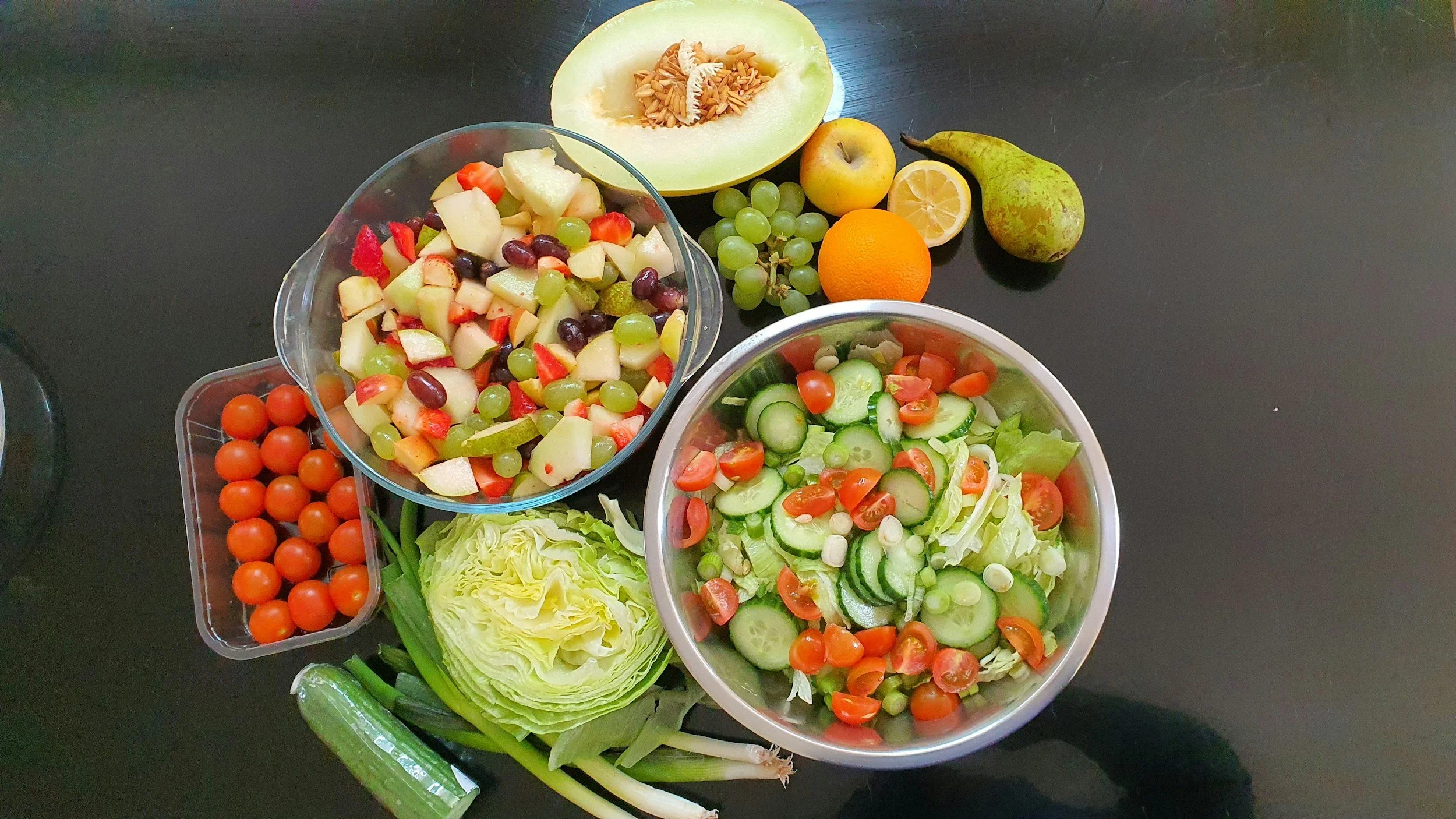
“I recommend people eat what's in season. That's it.
Cucumbers are great. They're cooling, they grow on the ground, we eat them and we feel refreshed. They have a lot of water and antioxidants.
Bitter things help cool down, so they have bitter melons in China that they make in the summer. Usually bitter things have a cooling effect on the body. And they have slight toxins, so it makes the body purge, eating better foods or herbs, for example. Dandelion greens, mustard greens.
Sour foods, watermelon, lemons, apples, all as it comes in season.” - Said
Sweat it out
Said emphasizes the benefits of sweating in summertime.
“If your body has to sweat, sweat. It's a good thing that the body is releasing and clearing things. A lot of people think of sweat as a bad thing. But that's what the summer does. If your body needs to sweat, let it sweat. It wants to sweat. Sweating helps your body get rid of the internal coldness from the winter, that kind of releasing or getting all the toxins. Yeah. When you sweat, it's another way of getting rid of bad stuff.”
Said suggests warming herbs to support a healthy sweating process: “you can drink a nice ginger tea, and it will push all that sweat outside through your skin pores.”

Sleep, rest, and moderation
With so much yang within and around us, it is important to balance our energy levels. This means practicing consistency in our habits, as well as nourishing restful, inward yin energy.
“Maintain a regular sleep schedule, and find quiet moments of calm and reflection to keep grounded.” - Larissa

“I recommend napping. The heart is overstimulated in summer, naps help your heart to slow down for the day. So I encourage afternoon naps. It's like charging your heart.” - Said
“Although summer is a time of high energy and activity (especially outdoors), it is important to avoid excessive heat exposure, stay hydrated, maintain a regular sleep schedule, and find quiet moments of calm and reflection to keep grounded. Maintaining regular wellness practices like gentle workouts, bodywork, meditation, and/or acupuncture can all benefit the body and mind during this season of high energy.” -Larissa
Summer in harmony with the seasonal cycle of the year
Said explains that the balance we experience in one season carries over to the seasons that follow. For example,
“if you didn't nourish in the winter, you moved too much, you exhausted yourself…come summer, you would feel really tired. Especially... your spleen….if your kidneys are not nourished in winter, you get to spring and your wood element and your liver are not great. Then that’s going to affect the heart fire in summer.
So each season is not only its own thing, it's also you're having the consequences of the last season and preparation for the following season. We're always connected to the seasons before and the seasons to come.”
To find out more about how Minnesota Integrative Health Studio services can support you this summer, check out our website. You can book online here. Questions? Feel free to contact us, call (612.345.5648), at or stop by “the studio” on our corner of northeast Minneapolis.
Liu J, Feng W, Peng C. A Song of Ice and Fire: Cold and Hot Properties of Traditional Chinese Medicines. Front Pharmacol. 2021 Jan 19;11:598744. doi: 10.3389/fphar.2020.598744. PMID: 33542688; PMCID: PMC7851091.
https://www.cdc.gov/niosh/heat-stress/about/illnesses.html
https://www.mayoclinic.org/diseases-conditions/heat-stroke/symptoms-causes/syc-20353581
Narayanan & Keellings (2025). Rise in heat related mortality in the United States. PLOS Climate. Published: August 27, 2025. https://doi.org/10.1371/journal.pclm.0000610. https://journals.plos.org/climate/article?id=10.1371/journal.pclm.0000610
https://www.who.int/news-room/fact-sheets/detail/climate-change-heat-and-health
Pitchford , Paul (1998). Healing with Whole Foods. North Atlantic Books. Berkeley, CA
The Foundations of Chinese Medicine: A Comprehensive Text, 3e by Giovanni Maciocia CAc(Nanjing).