

Nourish Yin This Winter
Reiki, Energy Work, & Coaching
Did you know that in Traditional Chinese Medicine (TCM), winter is considered yin season? You’ve probably heard of yin and yang–but really, what is yin? And how can this ancient philosophical concept help you to survive and thrive throughout the long, cold winter?
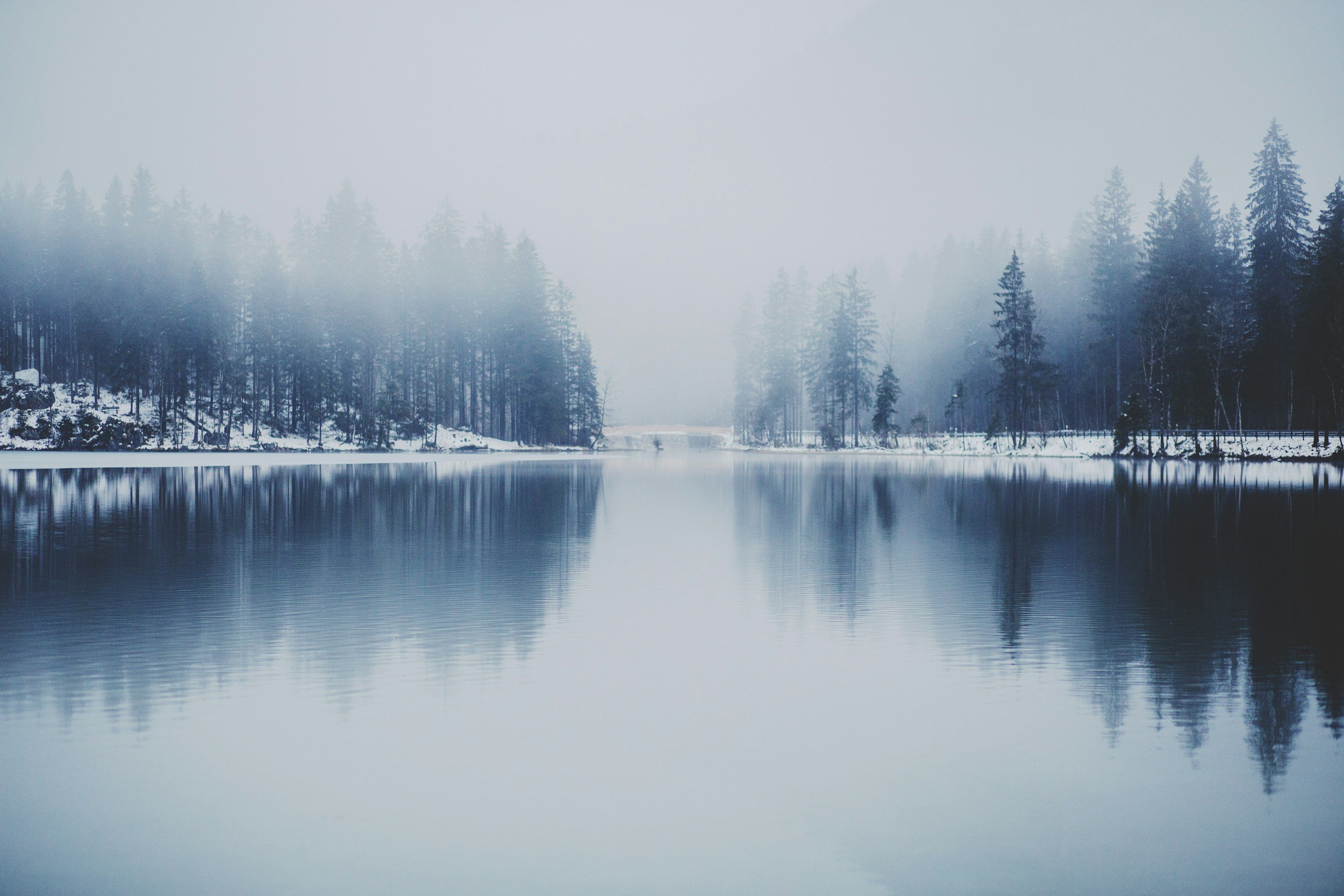
Traditional Chinese Medicine sees the human body as inseparable from the natural world. According to TCM we are not only intimately connected to nature, we are nature. One way this manifests is through an emphasis on the seasons.
Winter is associated with the TCM organ of the kidneys (which is related to the biomedical conceptualization of the kidneys, but more expansive). Just as the kidneys relate to the body’s filtration system, winter is also associated with the element of water.
The seasons are also understood in terms of their relationship to yin and yang. Cold, dark winter is considered the season of yin, while the sun-soaked summer is yang season. The transition seasons of spring and fall are considered both yin and yang.
But what is yin?
What Is Yin?
Yin is both simple and heady, practical and philosophical.
First of all, yin cannot be understood without its counterpart, yang.
Yin and yang are often delineated as sets of opposites. Yin is dark, cold, contraction, stillness; yang is light, heat, expansion, movement.
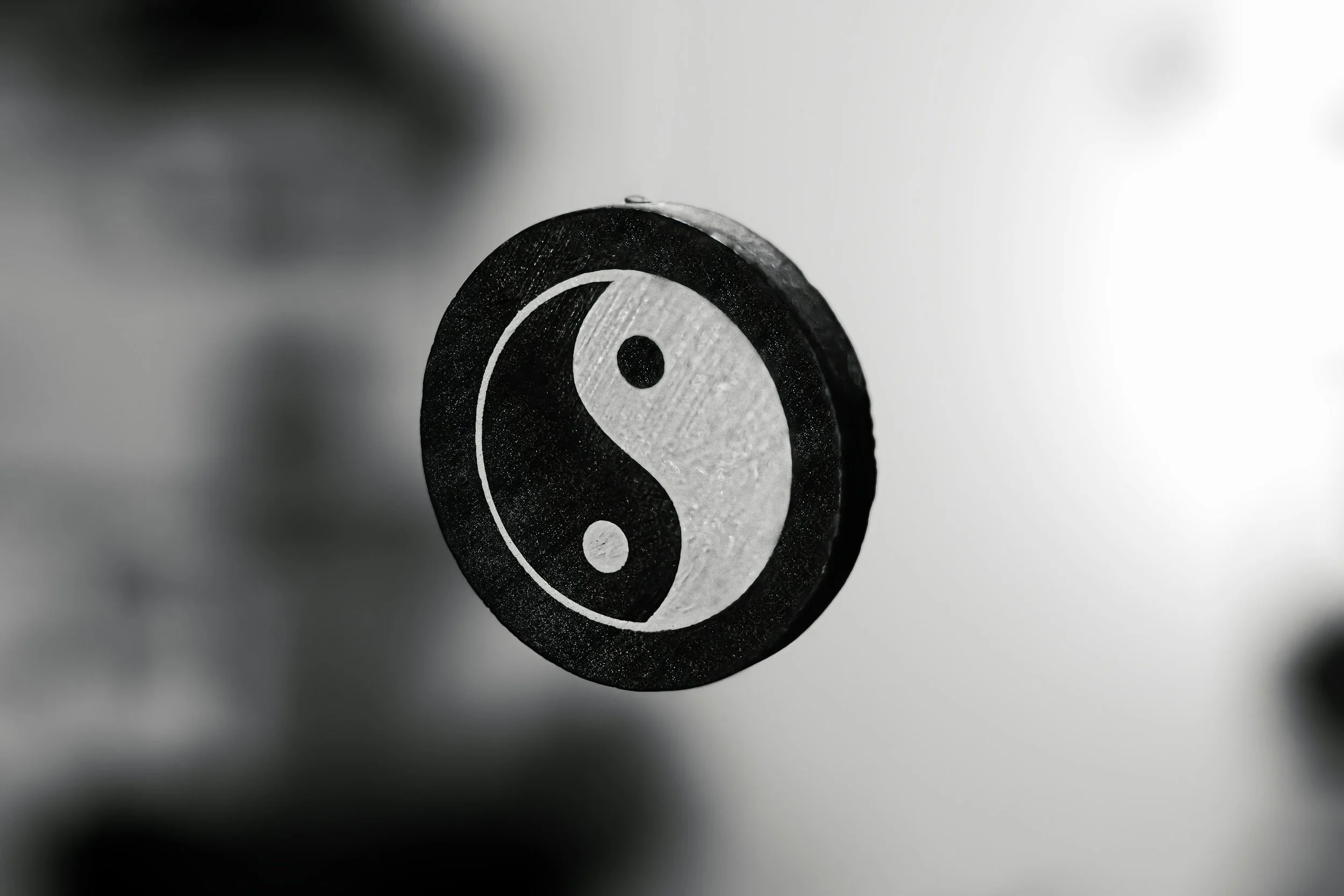
But yin and yang are not merely static opposites. Yin is always in relationship to yang, and this relationship is dynamic and relative. As indicated in the universally recognized tai chi (or “yin-yang”) symbol, yin (represented by black) and yang (represented by white) flow into one another. Even at the maximum location of one, the seed of the other exists at the center.
Yin and Winter
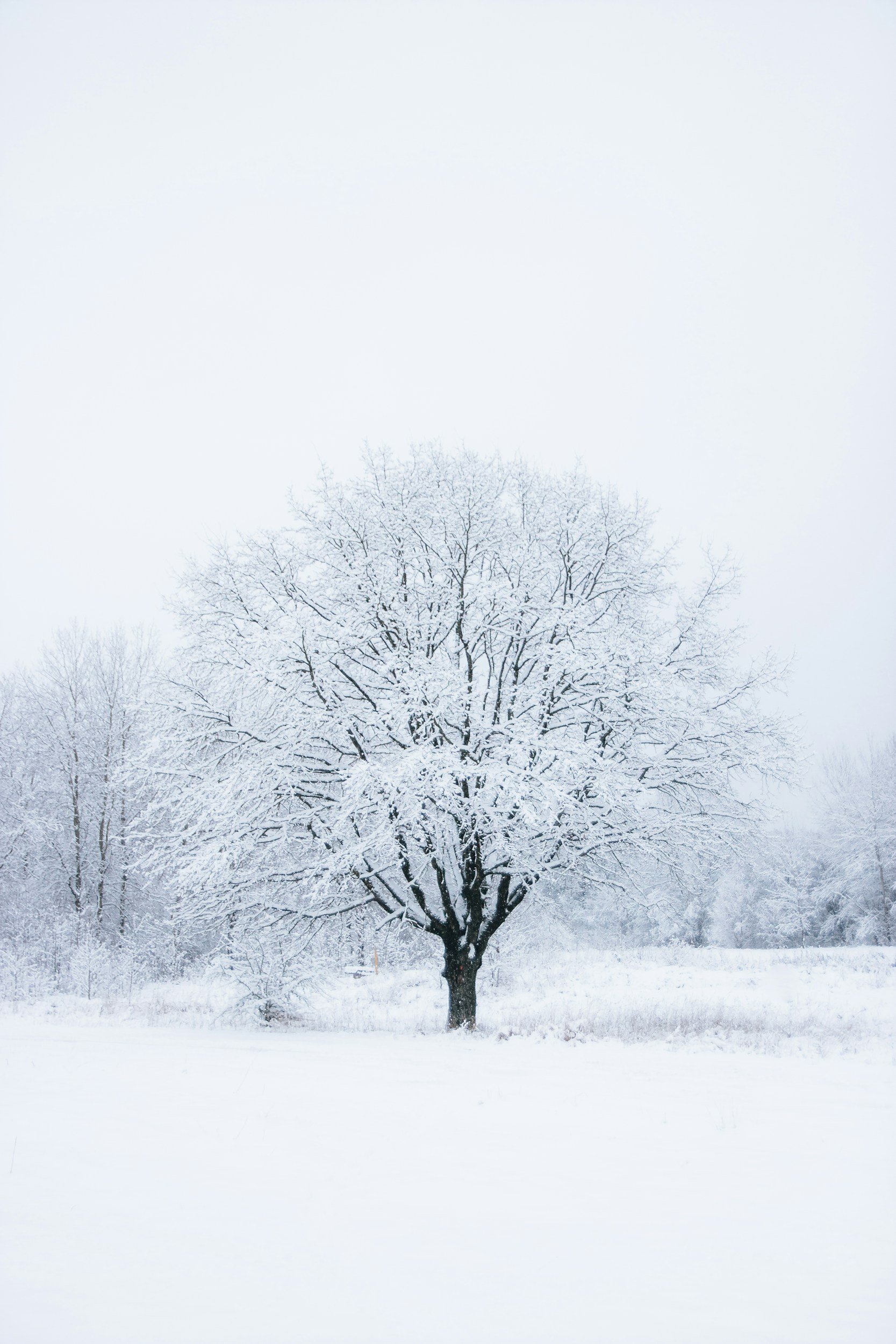
As we descend further into winter, it is said that yang energy is being “consumed” by yin. The imminent winter solstice, the longest night of the year, is considered “maximum yin” time. TCM teaches us to take cues from the natural world of which we are part. As winter settles in we see principles of yin around us, and within us. The air becomes colder. The nights grow darker. Trees and plants draw roots inward and downward, as myriad animal species contract into dormancy and hibernation.
Our human systems are built to mirror these processes. In TCM and other ancient, earth-based cultures, cultural wisdom instructs us to “winter” with the changing season: withdraw into the warmth of the hearth, nourish ourselves, rest more, engage in activities of relative stillness. A season of quiet, contemplation, and reflection, winter offers the opportunity to descend more deeply into the inner worlds of the body and the psyche.

However, in this society barriers to connecting with yin abound. Capitalism, colonialism, and empire are fueled by a mythos of endless growth, movement, and ascension. At the very peak of the earth’s yin season, the biggest economic activity of the calendar year (aka “the holiday season”) is detonated. Just when the body and soul naturally requires maximum rest and quiet, a complex web of societal, social, and family dynamics collude to demand we do more, spend more, buy more gifts, attend more events…more, more, more.
The outward-facing pressures of the season may feel dissonant with your natural desires. This can create tension and friction in responsibilities and relationships, presenting difficult choices between honoring your own rhythms and meeting the needs and expectations of others. On the other hand, the frenzy of “the holidays” may stave off a creeping sense of loneliness, a fear of being swallowed up by the darkness. Indeed, many ancestral practices of this time of year honor the light, ensuring that people connect to that seed of yang as the cold and dark yin yawns open wide to envelop us.
“It seems like in the United States we are bad at winter, we hate winter….This might be because our society is so bad at yin….I wonder if we struggle with yin and winter as a culture because we don’t really know how to grieve. We want to hold on to what was instead of letting it move and trusting that new life will come again in spring.”
Nourishing Yin
How can you best work with this time of maximum yin, harnessing it for optimal health and balance?
In terms of TCM, it would be said that winter is an optimum time to “nourish yin.” According to MIHS co-owner Said Isayed TCMD, many features of modern life are causes for “yin deficiency”: chronic stress, long-term sleep debt, hyperactivity, excessive mental function, and lack of appropriate hydration and nourishment. Said points out that key elements of yin-nourishing interventions in TCM can be correlated with contemporary Western medical understandings of biophysiology and preventative health and wellness principles.
How To Nourish Yin This Winter
Stay Hydrated
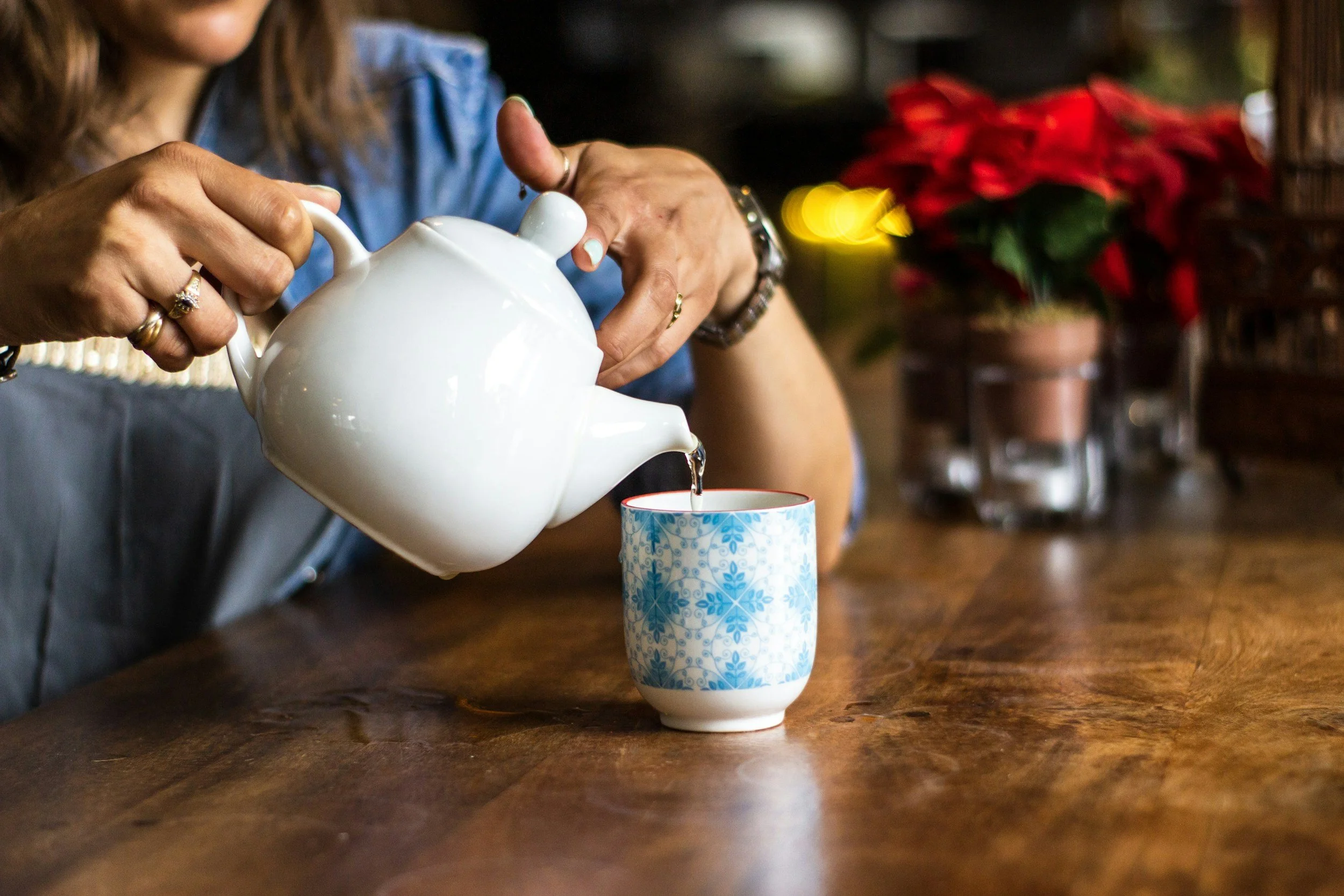
Nourish yin by hydrating the body: drinking water and eating hydrating and moisture-rich foods. This aligns with supporting the kidneys in their season. Improving fluid intake and retention supports cell metabolism, thermoregulation, and joint lubrication.
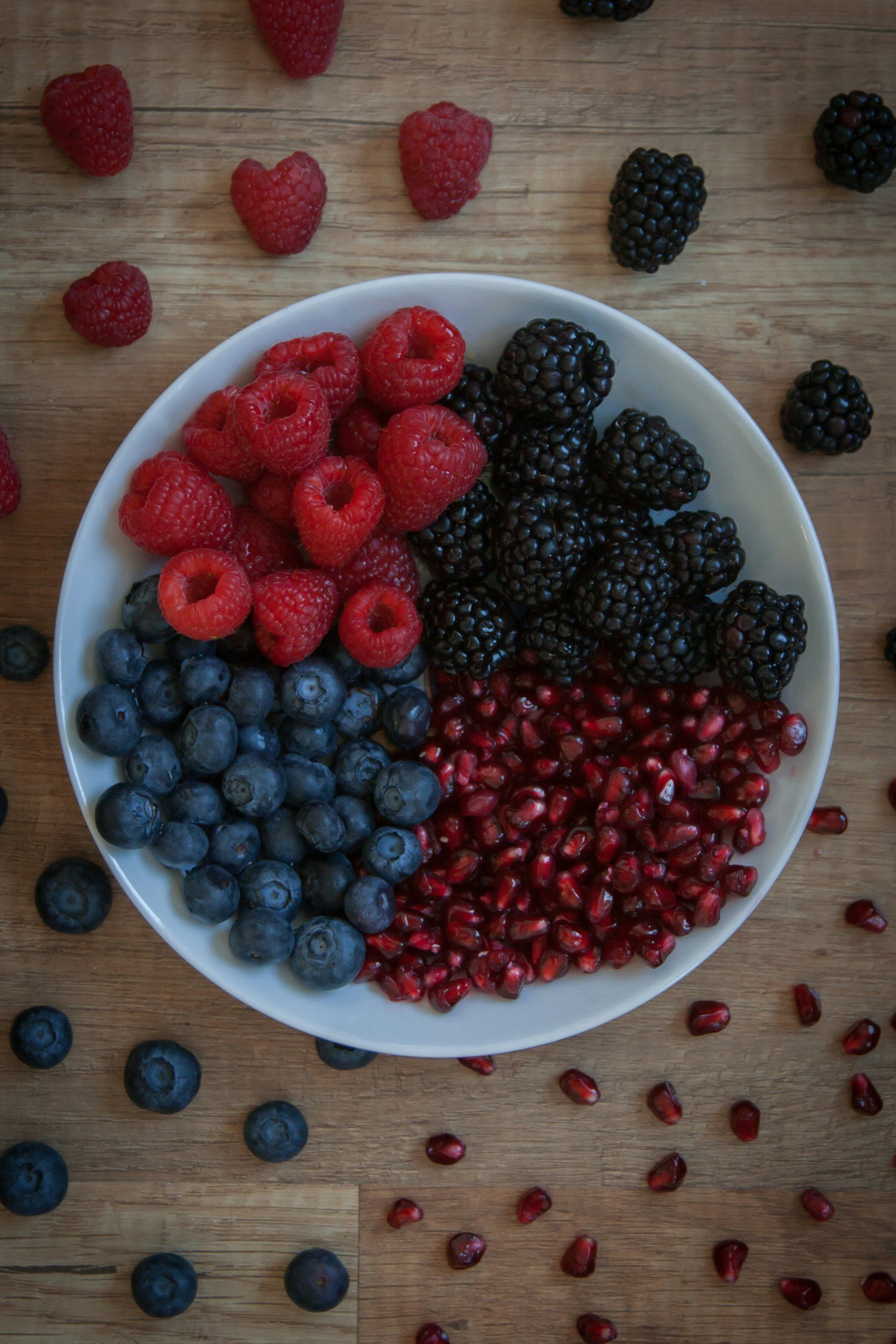
Boost Nutrients
Nourish yin through a nutritious, nutrient-rich diet. TCM foods and herbs that are recommended for yin-nourishment include goji berries, mulberries, and others rich in antioxidants. Incorporating antioxidants (e.g. polyphenols, flavanoids, etc.) into the diet reduces oxidative damage and physiological aging on the cellular level.
Support Gut Health
Nourish yin by supporting the digestive system and the microbiome. Fluid balance is intimately connected to digestion, which governs critical functions including nutrient absorption, the immune system, and mental wellbeing. Foods rich in prebiotics, probiotics, and fiber are known to support the development of “good bacteria” in the microbiome, and overall gut health.
Relax and Heal the Nervous System
Nourish yin by engaging the body’s relaxation response. Chronic sympathetic nervous system (“fight or flight”) activation and overdrive are associated with yin deficiency. Treatments and practices like acupuncture, therapeutic bodywork, craniosacral therapy, myofascial release, Reiki, and yoga support the body to shift into a relaxation state.
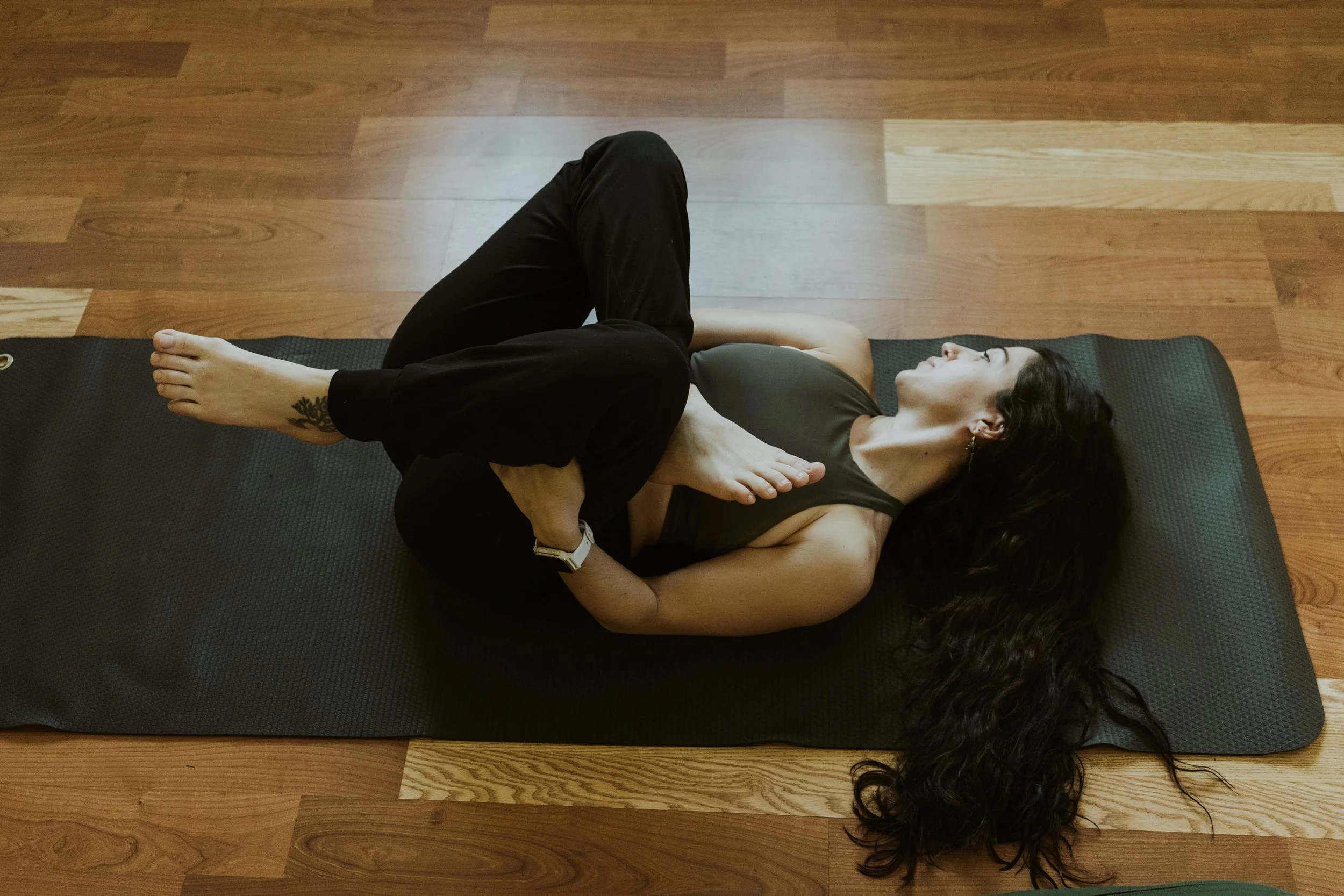
Winter Solstice Yin Yoga and Acupuncture with Nadia Alsadi and Autumn Drake blends healing practices of gentle yoga, guided meditation, and acupuncture. Our yoga instructor, Nadia Alsadi, E-RYT, will be leading a gentle Yin Yoga class, followed by community-style acupuncture with Autumn Drake LAc, as you rest comfortably on your yoga mat—this is an opportunity to slow down, reset, and restore. In addition to this special Yin Yoga & Acupuncture event, Nadia regularly offers in-person and virtual Yin Yoga classes.
Rest, Reflect, Embrace the Darkness

Nourish yin through rest and stillness. While chronic stress and sleep debt can keep the nervous system on overdrive, the relaxation mechanisms of the body can be nurtured through quiet, meditation, getting plenty of rest, and engaging in peaceful practices. Winter offers a perfect opportunity for reflection and introspection.
Often deeper and even difficult emotions await us in stillness and darkness. When we allow ourselves to feel and process the range of our emotional experience, darkness can become an opportunity to release what is ready to be let go. Darkness also allows for the gestation of new energy that may emerge come spring. Sit in stillness, take a quiet walk in nature, talk with trusted loved ones or helping professionals, engage in restorative healing practices, journal, honor your needs for rest and sleep.
“Until the culture recognizes the legitimacy of growing down, each person in the culture struggles blindly to make sense of the darkenings and despairings that the soul requires to deepen into life.”
James Hillman
“Darkness is the territory of gestation and imagination. So if we can get quiet enough and gestate…that would help repair human-to-place wounds, wounds between cultures…”
Find Yang Within Yin
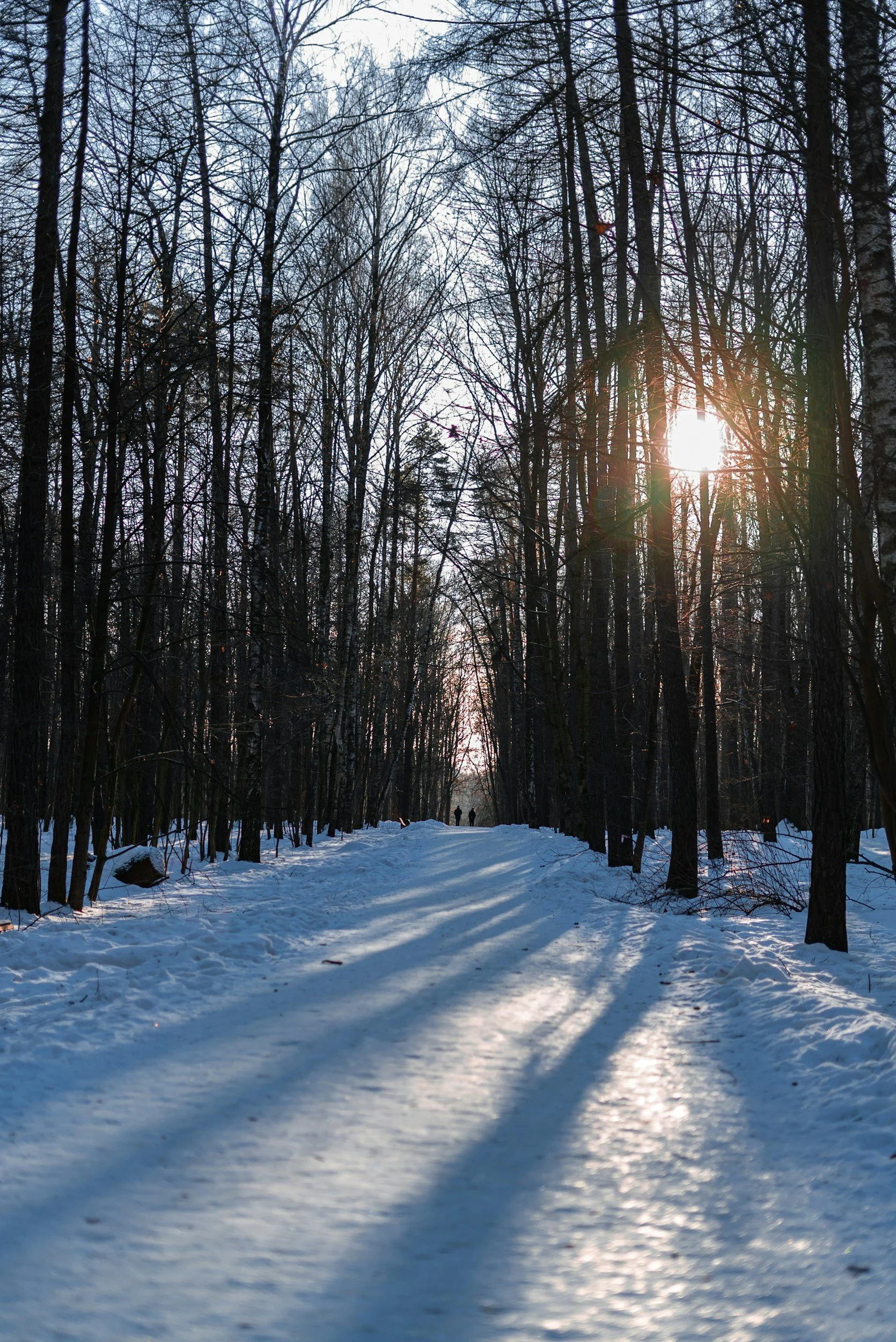
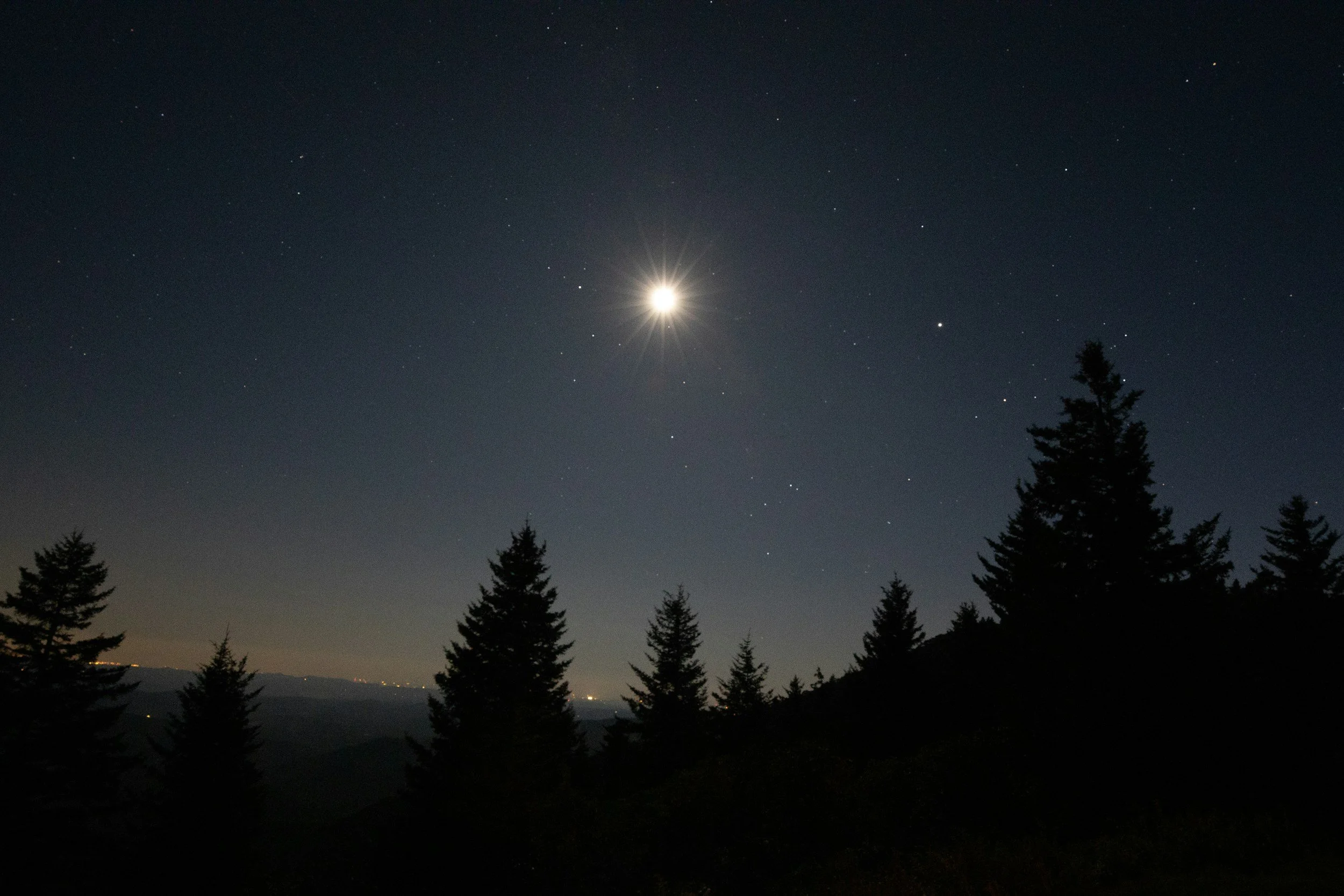
Just as the moon and stars light up the dark night sky, yang always exists within yin. Even as we slow down and go within, we can harness yang energy to sustain the fire in our bodies and spirits. To balance yin season, consider ways to move your body with invigorating outdoor activities like brisk walks or skiing, gathering with friends and family, dancing and celebration. After all, the days begin to lengthen following the winter solstice, however slowly. Day by day, we will be gaining yang, as we circle back toward the summer solstice at last.
For individualized TCM support and guidance for nourishing yin, book an appointment for Chinese Medicine Treatment, Acupuncture, Herbal Consultation, and other TCM treatments. For other ways MIHS can support you with your wellbeing this winter, check out our services.
Resources:
Brown, A. & Brown, A.M. (2025). How to Survive the End of the World podcast. The Long Dark with Francis Weller. November 14, 2025. https://endoftheworldshow.org/episodes/the-long-dark-with-francis-weller
Harlow, K. Six TCM Health Tips for Winter. Blog, Acupuncture and Chinese Medicine. Northwestern Health Sciences University. Retrieved on 11/30/2025 from https://www.nwhealth.edu/blog/six-tcm-health-tips-for-winter/
Harvard Medical School (2024). Probiotics and prebiotics: what's really important. June 3, 2024. https://www.health.harvard.edu/nutrition/are-you-getting-essential-nutrients-from-your-diet
Hillman, J. (1996). The Soul’s Code: In Search of Character and Calling. Random House. New York, NY.
Kenin L. (2012). A Brief Discussion of Yin and Yang. Acupuncture Today, Apr 2012. https://acupuncturetoday.com/article/32555-a-brief-discussion-of-yin-and-yang
Kenin L. (2019). A The Clinical Use of Yin-Yang in Chinese Medicine. Acupuncture Today, DIGITAL EXCLUSIVE July 2019 https://acupuncturetoday.com/article/33674-the-clinical-use-of-yin-yang-in-chinese-medicine
Miramon, A. (2024). Exploring Yin and Yang with the Eight Principles of TCM. Jul 30, 2024. https://www.dc-acupuncture.com/tcm/yin-yang
Pitchford , Paul, (1998). Healing with Whole Foods. North Atlantic Books. Berkeley, CA.
Williams, C. Winter Roots – The Flow of Life. Acupuncture Today, Jan 2012. https://acupuncturetoday.com/article/33957-winter-roots-the-flow-of-life
Ranum, B. (2024). Winter Solstice and the Holiday Season. https://www.mnintegrative.com/blog/holidays
Suttie, E. Living According to the Winter Season with Chinese Medicine. Retrieved on 11/20/2025 from https://www.chinesemedicineliving.com/nutrition/seasons/winter/
Wolford, K. (2023). Relaxation response: Herbert Benson. EBSCO. https://www.ebsco.com/research-starters/health-and-medicine/relaxation-response-herbert-benson
https://view.inews.qq.com/k/20240716A0AKBJ00?web_channel=wap&no-redirect=1
http://health.people.com.cn/n/2015/0824/c21471-27505144.html
https://szyyj.gd.gov.cn/zyyfw/ysbj/content/post_4481084.html