Meet Rachel: MIHS’ New Registered Dietitian and Integrative Nutrition
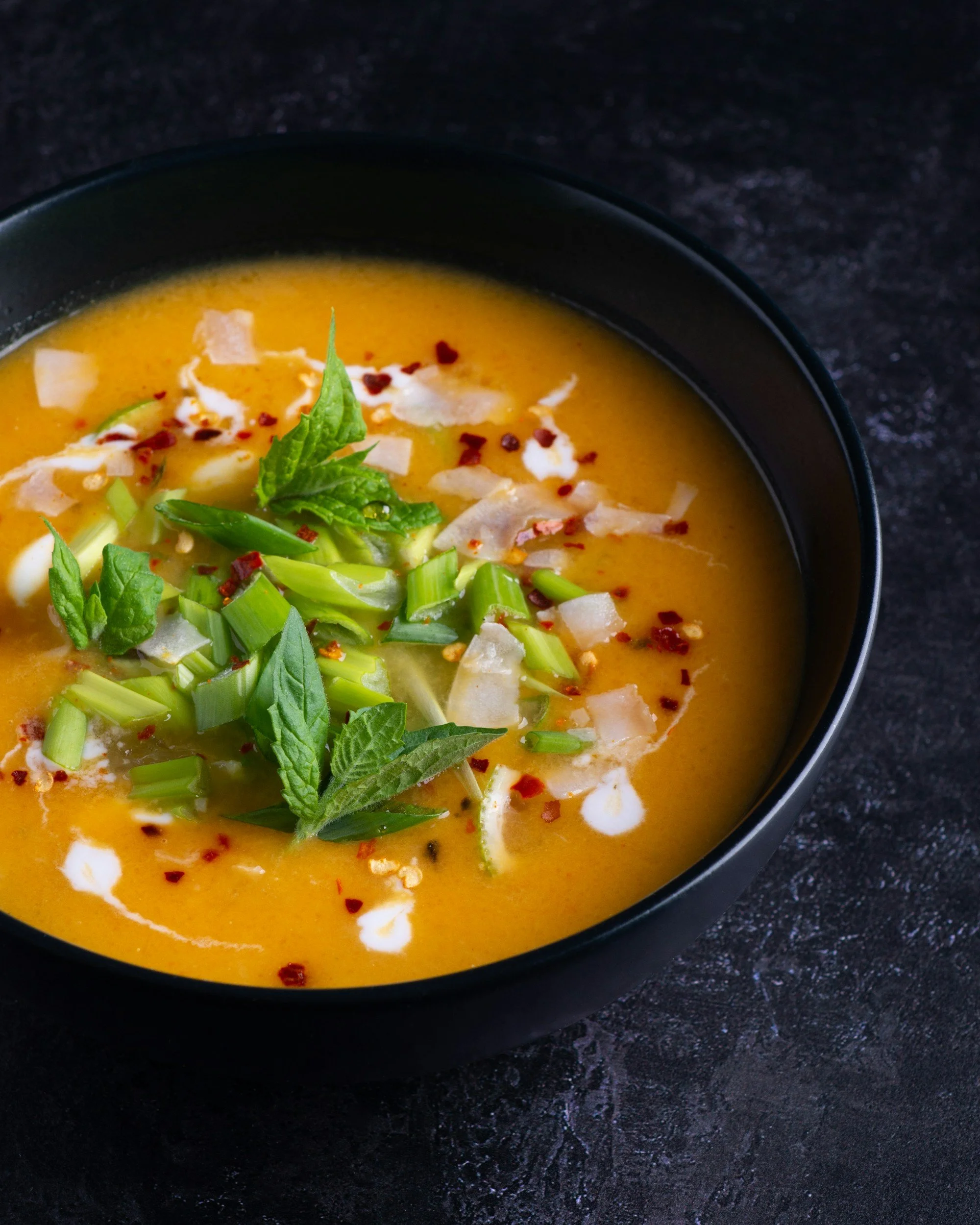
photo by Max Griss @grissphoto on Unsplash
Betsy Ranum MA, RN, NBC-HWC
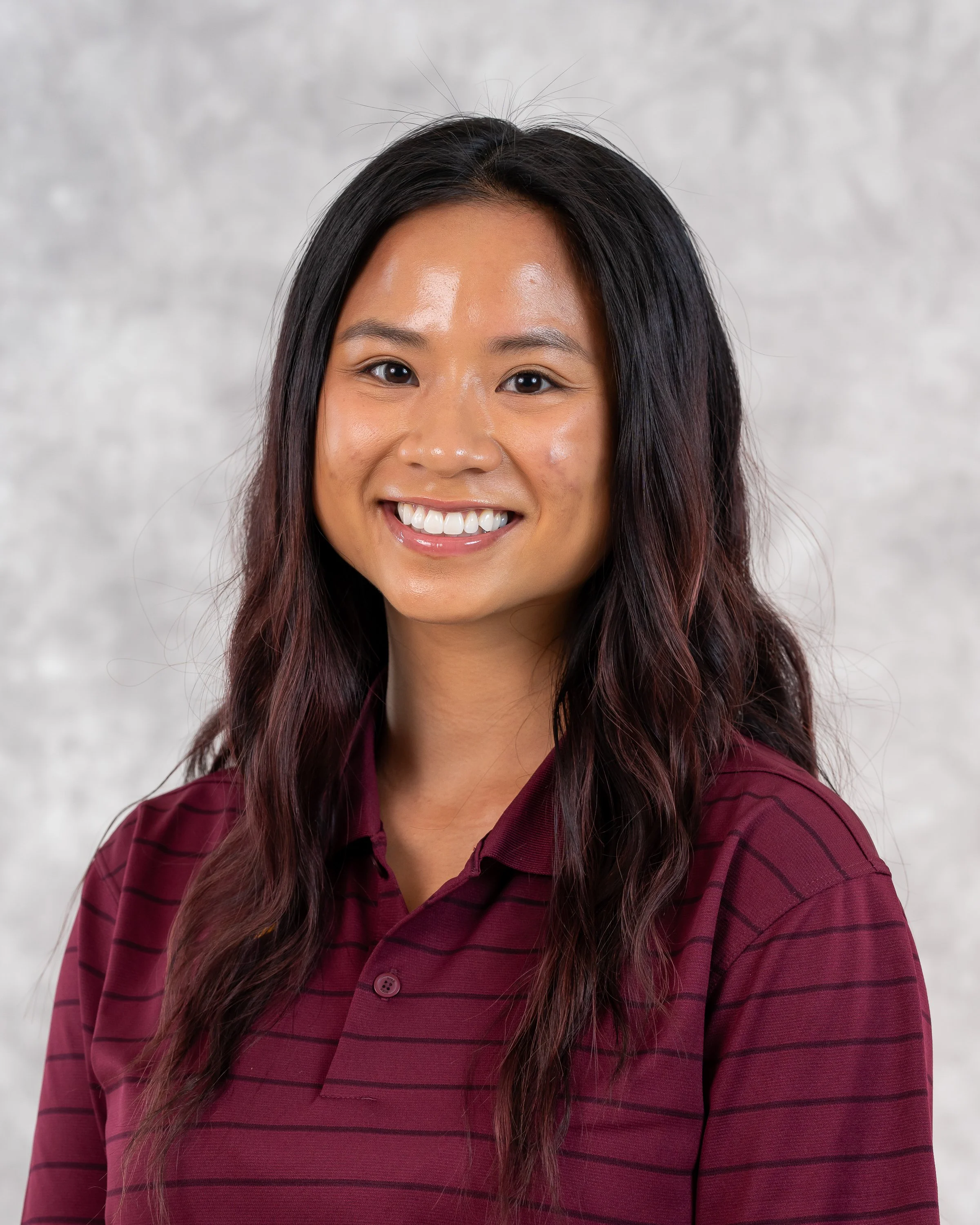
MN Integrative Health Studio is proud to introduce Rachel Luong, MS, RD, LD (she/her). As a Registered Dietitian, Rachel brings specialized expertise in nutrition to our integrative team of practitioners.
Meet Rachel
Rachel Luong joins MIHS as she enters her fourth year as a Registered Dietitian. Having earned a Bachelor's and Master's of Science in Dietetics and Exercise Science from Iowa State University, she currently works as a sports dietitian for the University of Minnesota women's basketball team. “I’m their nutritionist,” she explains.
(Um, how cool is that?)
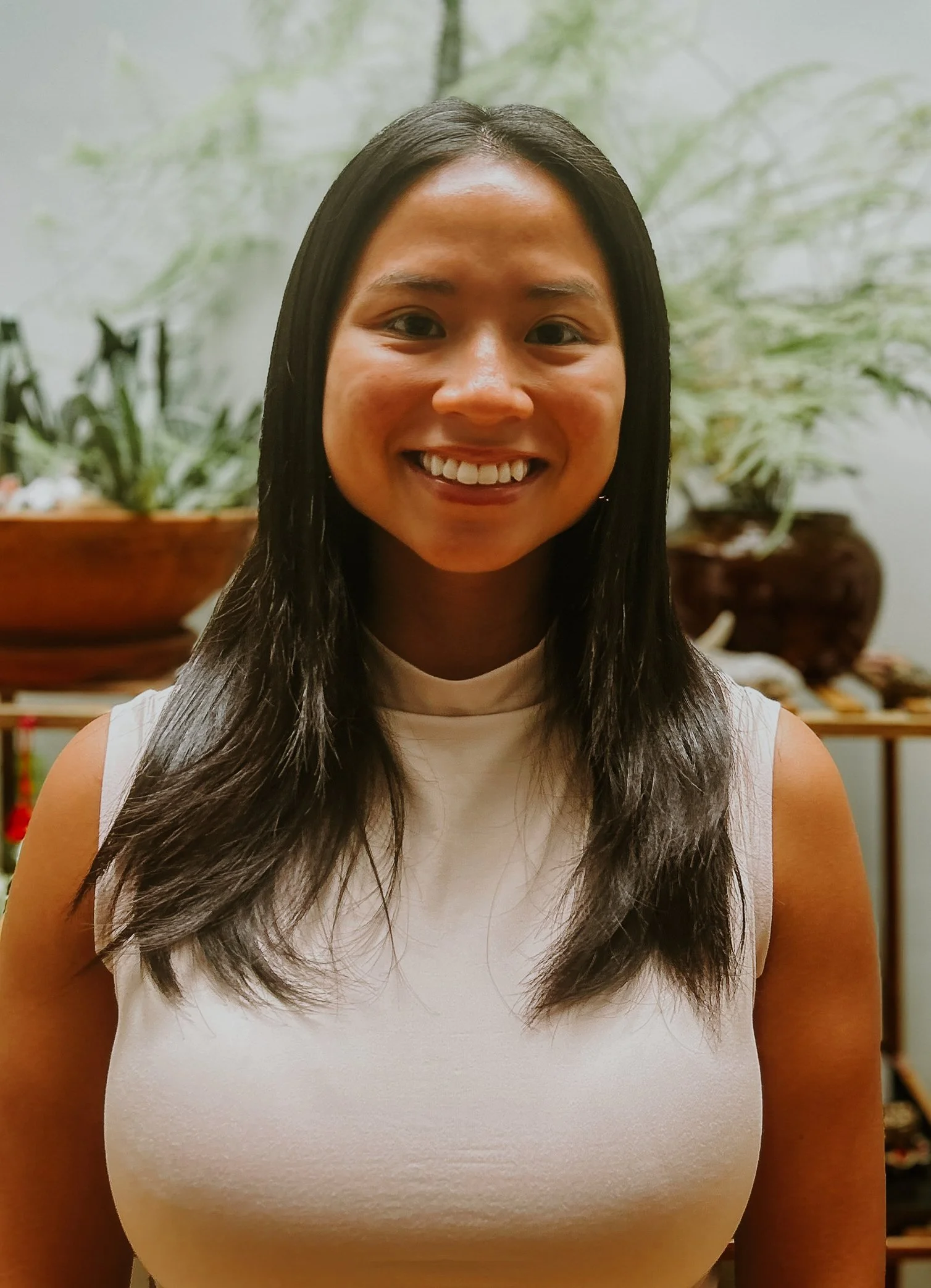
Even though she works with elite athletes for her “day job,” Rachel says she is thrilled to be working at MIHS because she loves helping all kinds of people with nutrition:
“Everybody is interested in nutrition, and it's so easy to get all this random information on social media, from your parents, from your friends, on what works best for them. Not necessarily what works best for you, the individual.”
Co-owner Said Isayed explains that while MIHS has a strong clinical emphasis on Traditional Chinese Medicine (TCM), having a Registered Dietitian on staff helps to offer patients a more complete and integrative range of options. “People are interested in nutrition, and need to learn more about how nutrition works.”
An Initial Nutrition Consult with Rachel
To learn more about Rachel and her practice, I booked a full Initial Nutrition Consult with her. As a nurse and a health coach,
I've learned quite a bit about food and nutrition over the years, and I consider myself pretty knowledgeable. While I knew I’d learn some new things, I couldn’t believe how well-informed—and inspired—I felt after just one visit with Rachel.
Thorough, Thoughtful Intake
Prior to our visit, I filled out Rachel's detailed intake form. The questions required self-reflection that got my wheels turning before I even arrived to the session. I realized I had a lot more to talk about with a dietitian than I'd realized!
This level of inquiry is precisely the point. Rachel starts sessions by going over the intake form with patients. She says this is a great way “to have a better understanding of what is their concern or issue, what can I help you with?”
It was clear to me immediately that Rachel is not only knowledgeable about nutrition, she is skilled in the art of deep listening and reflecting. Her style was nonjudgmental, warm, and welcoming. I felt immediately like she was on my team, really hearing what I was saying. Her reflections were insightful; there were things I didn't even realize I'd said until she reflected them back to me. Rachel also has a light-hearted and joyful approach, which made talking with her…fun. No small feat, considering how loaded the topic of food can be in our society.
Practical Goals, Tangible Outcomes
Rachel says it’s important to her that people receive tangible value from this initial consult, beyond the intake process.
“I try to answer whatever immediate questions [patients] have so that they can feel like they've got something out of this, versus just telling their whole life story! And then give them an idea of what I could do for them in terms of nutrition and education. If it's like a weight loss or weight gain concern, I usually have them track their meals, take pictures, and then write what they're having for three days… and send it to me so that i can see what they're eating. I can calculate their macros, calories, nutrients, and notice any other trends regarding their intake.”
In under an hour, Rachel:
Helped me identify a few key goals to focus on.
Gave me clear, evidence-based advice on how my current habits are supporting my goals, and where there's room for tweaks and changes.
Got really granular! We a nalyzed a recent day's worth of meals and snacks, and she gave me pragmatic guidance—all with an informative, upbeat, nonjudgmental style.
The consult left me with real, actionable steps, and without feeling overwhelmed or daunted. Rachel also followed up our session by sending me several relevant resources.
Follow-up Nutrition Consult Visits
For follow-up visits, Rachel supports patients by sharing with them “what I saw in their day to day, how we can improve it, or…help with whatever their issue is.”
Support, understanding, and setting achievable goals are what follow-up sessions are all about. Her aim is to help patients “with any situations, usually challenges, that arise from them trying to change their eating habits.” Rachel doesn’t see challenges and setbacks as failures, or even causes for concern; they’re just part of the process. After all, she says, eating habits are “something you've been doing for so long by this time: 20, 30, 40, 50-plus years.”
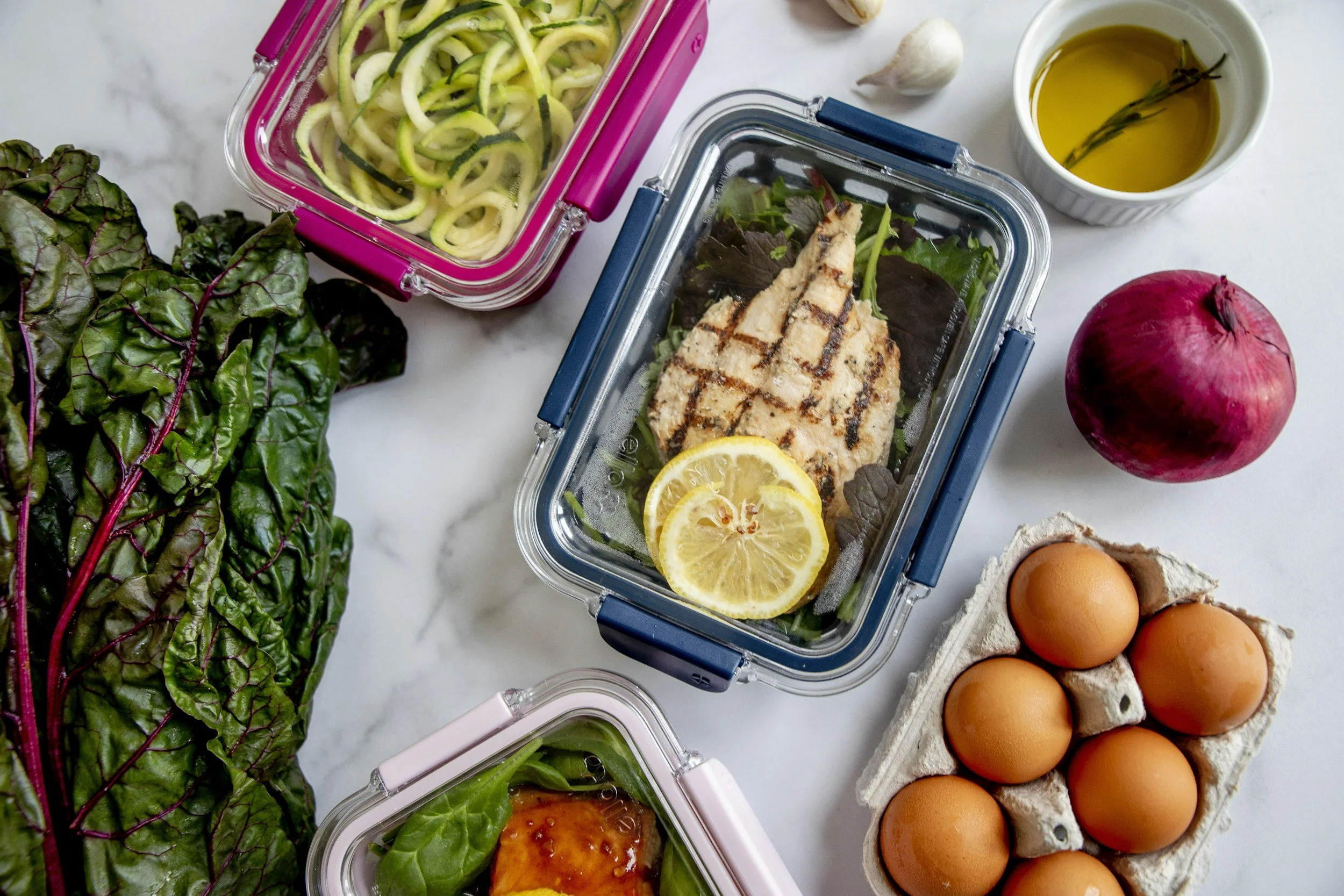
Photo by Ello @elloproducts on Unsplash
Her approach is to keep things simple. “We always start small, usually 1-3 realistic and achievable goals.” From there, it’s all about the long game: “ It's a lifelong skill that we’re trying to build…and the more times you come to me for accountability and health, the easier it gets.”
Follow-up sessions every two weeks are typical, but more important is working with the realities of people’s actual lives. Whether there are financial or time constraints, Rachel says what she always tells people is simply, “come back when you can.”
Who Can Benefit from Nutrition Consults with Rachel?
The short answer is: almost anyone.
If you are interested in learning how an evidence-based nutrition expert can support your general health and wellness, a Nutrition Consult with Rachel might be for you. And because she is a Registered Dietitian, Rachel is uniquely suited to supporting people’s nutritional needs according to their medical diagnoses.
Medical Nutrition Therapy
While many health professionals provide valuable education and guidance in various areas of food and nutrition, registered dietitians have a specific scope of practice that allows them to ethically—and legally—provide specific nutritional advice for medical conditions. If food is medicine, registered dietitians have the training to safely and effectively guide people to use food and nutrition according to their diagnoses.
“The biggest thing that separates a registered dietitian [from] some of the other nutritionists is medical nutrition therapy, or MNT…when somebody does have a medical problem, with their liver, kidneys, heart, we have the knowledge and the expertise to recommend them specific foods and nutrients that their bodies need or not need, based off their health issues.”
Rachel Luong, MS, RD, LD
From Elite Athletes to Everyday People
According to Rachel, the rest of us have more in common with Division I college athletes than we might realize. She sees her work with the UMN Women’s Basketball team as an excellent foundation for working with the general population. Working with people striving for peak performance, “I just so happen to know that extra 1% stuff that [athletes] could do, but everything underneath that is the base” of basic sound nutrition practices and general guidelines appropriate for all kinds of people.
The biggest issues she works with as a sports dietitan, she says, are common concerns for most people:
Gut health—“A lot of people deal with gut health issues regardless of race, gender, age, etc. I can help show how nutrition can heal and/or improve the gut to athletes, or to my next door neighbor, it doesn't matter.”
Exercise, weight loss and weight gain—as a sports specialist, “I'm so knowledgeable…that's just like on the back of my hand. I can hear about someone's nutrition intake and lifestyle and easily know what needs to be adjusted to help them achieve their goal of weight loss/gain.”
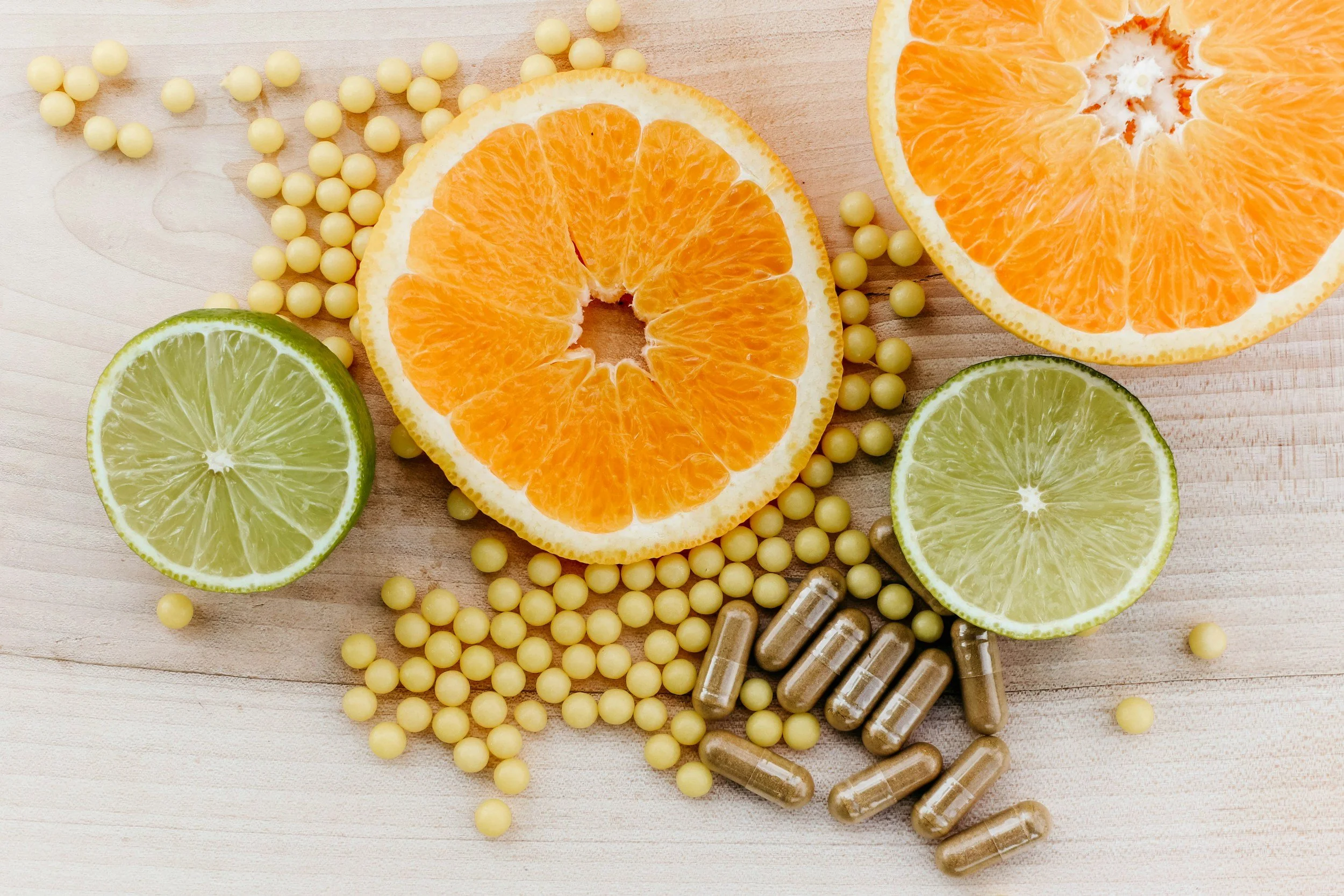
Supplements—“a big thing in sports is supplements, so I’m always reading up on supplements… different nutrients, vitamins, and minerals.”
Learning healthy habits - “Everyone wants to know how to ‘eat the best way to be healthy,’ and it all comes down to your everyday eating habits. I teach a lot of people how they can improve their nutrition to best fit them and their goals.”
Beyond a TCM Lens

Ashley Steffensen LAc sees patients regularly for acupuncture and other TCM modalities like herbal treatments, cupping, guasha, and tuina. Nutrition and food-based theory is an essential component of TCM, and licensed acupuncturists in Minnesota provide dietary counseling according to Chinese Medicine principles as part of their legal scope of practice. While Ashley’s TCM toolbox is deep, she is delighted Rachel is at MIHS to support patients with issues that reach beyond her expertise—areas where Western dietary approaches may excel. Among such cases, says Ashley, are:
“…elimination diets, or…things like low-FODMAP, or a low-histamine diet. There's still a Chinese Medicine lens to view those things through. But I feel like the Western stuff has done such a good job of becoming really specific on a few things where I have to sort of stretch to make it Chinese Medicine…I feel like somebody comes in and they have like a bunch of allergies or something, or certain autoimmune conditions, and it's nice, I think, to go to the dietitian.
Or they want to be on a weight loss journey or something. I can't really support them as deeply nutritionally, I don't have the wherewithal or the training to be, like, okay, how many calories are you eating?
Or if the client wants someone to really hold their hand nutritionally. I can give some general guidance, but that person who wants macros and micros, or they want to walk themselves out of type two diabetes…severe autoimmune conditions or their certain time of life, like pregnancy-related or perimenopause-related or weightlifting…really specific profiles. Maybe the dietitian would be the safer, better bet that can really hold their hand.
With really specific nutritional guidance, it’s cool to have somebody who can legally do that stuff, and they’re gonna do it healthy and safe.”
Integrative Nutrition
At first glance, TCM and Western Dietetics may seem a world apart. The TCM approach to food and herb is a reflection of an entire millennia-deep cosmology. TCM takes into account the constitution of the individual, the season and environment, and the energetic qualities of food—all with the goal of bringing balance and harmony to the body (Beinfield & Korngold, 1991). Western Dietetics, on the other hand, addresses the science of foods and their constituent components: the physiological, often molecular factors that contribute to health and nourishment.
Said explains that these two perspectives—TCM and Western nutrition—should not be seen as at odds with one another.
In fact, in his Traditional Chinese Medicine Doctor program in Tianjin, China (link), he studied Western nutritional principles alongside TCM dietary approaches. Offering a full range of perspectives, he says, means better education and care for patients:

“I think everyone needs to know how food works and how nutrition works—apart from marketing for you know, whatever, milk and eggs and meat. People just need to understand the concepts so they can make their choices…understand how your body uses these things to function and where you can also get it from different sources.”
Said adds that in comparison to TCM interventions, a more conventional focus on calories, macronutrients and micronutrients, and other basic nutrition principles can sometimes be more helpful for some people. “
That approach might actually work better than trying to change a lifestyle. These tools might be more accessible or easier, based on the personality and situation.”
Integrative Health is Interdisciplinary
“Integrating the best of conventional health care with the best of complementary/alternative practices, integrative health emphasizes mutual respect, support and communication among practitioners and disciplines. Integrative health exemplifies cooperation, or ‘both/and’; not competition, or ‘either/or.’”
(MIHS Integrative Health Principle No. 4)
This integrative approach to nutrition gets to the very heart of how we approach integrative health care at MIHS. As discussed in previous articles, one of the foundational principles of integrative health as we define it is that “integrative health is interdisciplinary.” Having a Registered Dietitian working alongside our TCM and other practitioners is an embodiment of this integrative principle in action.
As an interdisciplinary team, we understand that learning from other practitioners and disciplines only enriches our respective practices. In fact, Said shared that one of the reasons he was interested in Rachel joining MIHS is that “she’s interested in learning about Chinese nutrition, so we wanted to learn from each other. I like the kind of people that want to learn and exchange knowledge.” Acupuncturist Ashley Steffensen LAc says she feels similarly: “I'm excited to have Rachel here, and I want to learn more about what she does.”
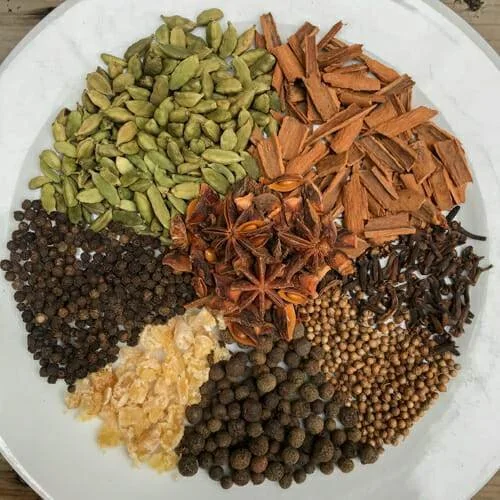
As for Rachel, her interest in Chinese Medicine runs deep. In fact, she says, “TCM was the whole reason I got into nutrition in the first place.” While she ended up following the Dietetics path, her experiences as an acupuncture patient continue to spark her interest in learning more about TCM. Rachel says that she’s learning about TCM in weekly staff education sessions held by Said. But beyond the intellectual, “just being in this space and knowing that [TCM] is actually helpful” based on her own lived experience is what she finds especially valuable about joining the MIHS team.
Ultimately, says Said, whether it comes to nutrition or any other aspect of integrative care, “there's no good or bad west or east, it's always that there's the right place for the right thing.”
************
Fall Meal Planning Special with Rachel
Learn how to use seasonal, warming foods—like pumpkin, ginger, and bone broths—to build a strong immune system before flu season. Book a Nutrition Consult this October and get 15% off!
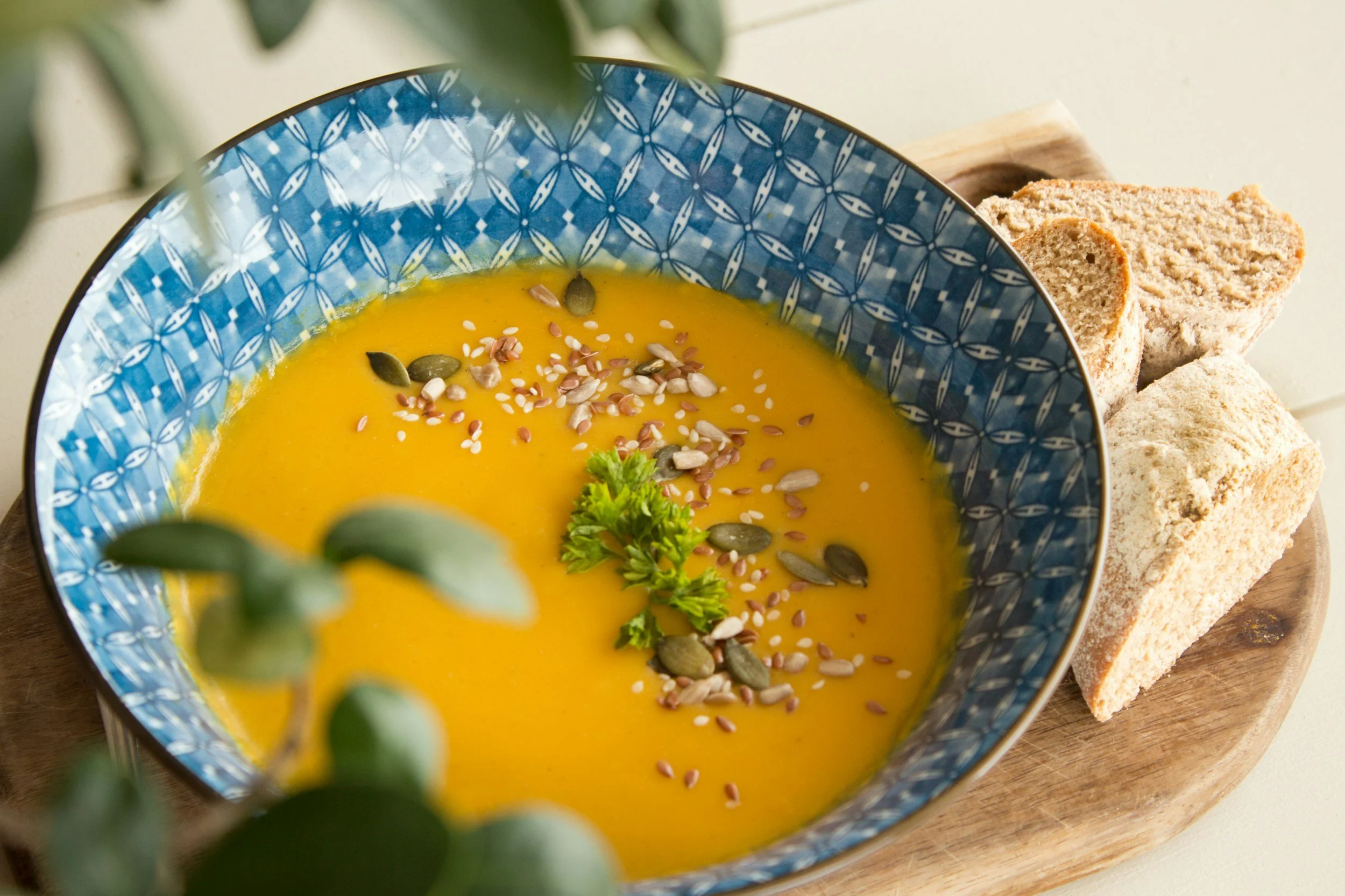
Photo by Jade Aucamp @jadeaucamp on Unsplash
To find out more about Nutrition Consults and other Minnesota Integrative Health Studio services, check out our website. You canbook online here. Questions? Feel free to contact us, call (612.345.5648), at or stop by “the studio” on our corner of northeast Minneapolis.
Resources
Academy of Nutrition and Dietetics. About RDNs and NDTRs. Retrieved 9/29/26 from https://www.eatright.org/about-rdns-and-ndtrs
Beinfield, H & Korngold, E. (1991). Between heaven and earth: A guide to Chinese Medicine. Ballantine Books. NY, NY.
Betts, D. (2006). Traditional Chinese Dietary Medicine. (Handout). Compiled by Debra Betts author of “The essential guide to Acupuncture in Pregnancy and Childbirth” © 2006 Website http://acupuncture.rhizome.net.nz
Cleveland Clinic. (2024). Medical Nutrition Therapy. Retrieved 9/29/26 from https://my.clevelandclinic.org/health/treatments/medical-nutrition-therapy-mnt
Klemm, S. (2021). What Is Medical Nutrition Therapy? Academy of Nutrition and Dietetics. Published March 18, 2021, Reviewed: March 03, 2026. https://www.eatright.org/health/wellness/healthful-habits/what-is-medical-nutrition-therapy
Minnesota Academy of Nutrition and Dietetics (MAND). Website. Retrieved 9/29/26 from https://eatrightmn.org/who-we-are/
Minnesota Integrative Health Studio. (2025). What is integrative health? (Holistic). https://www.mnintegrative.com/blog/integrative1
Nature Index. (2026). Nutrition and Dietetics Time frame: 1 June 2025 - 30 May 2026. Retrieved 9/29/26 from https://www.nature.com/nature-index/topics/nutrition-and-dietetics
Office of the Revisor of Statutes (2025). 2025 Minnesota Statutes. 148.621 DEFINITIONS. Retrieved 9/29/26 from https://www.revisor.mn.gov/statutes/cite/148.621
Office of the Revisor of Statutes (2025). 2025 Minnesota Statutes. CHAPTER 147B. ACUPUNCTURE PRACTITIONERS. Retrieved on 9/16/26 from https://www.revisor.mn.gov/statutes/cite/147B/full
ARE YOU AS A DIETITIAN PRACTICING LEGALLY? Retrieved on 9/16/26 from https://mn.gov/boards/assets/Are%20you%20legally%20practicing%20as%20a%20dietitian_tcm21-197870.pdf