Food is more than a supportive addition to Traditional Chinese Medicine (TCM). In TCM philosophy, food is medicine. This month, we’ll discuss TCM dietary theory, and how you can incorporate the wisdom of Chinese Medicine to support your health.
Food As Medicine
You may know that herbal medicine is a core component of TCM. But did you know that in Chinese Medicine, food can be as medicinal as herbs?
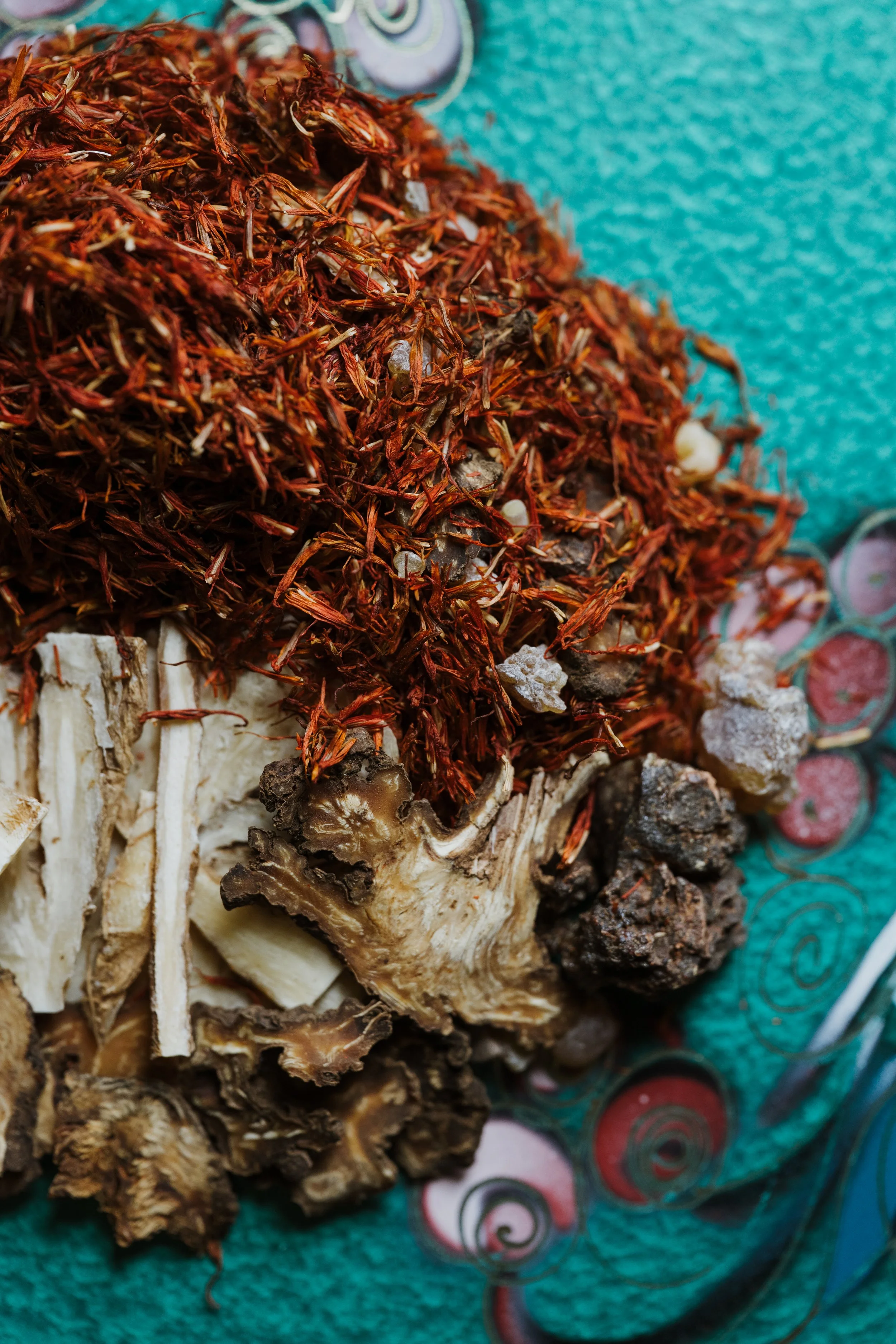
According to Larissa Vados PhD LAc, “Foods are treated similarly to Chinese herbal medicine, as in fact many foods and spices are included in Chinese herbal medicine.”
As a holistic system of medicine, TCM does not aim to “fix” but rather to balance and harmonize. In TCM philosophy, this means to balance the qi in terms of concepts of yin and yang, heat and cold, damp and dry. Balance is not an endpoint, but rather about being in dynamic relationship with the natural world, embodying harmony among the elements and the ever-changing seasons.
In the cosmology of TCM, all of life is infused with qi (a foundational concept often translated as “life force” or “energy”), from the microscopic to the macroscopic. Humans, trees, pebbles, birds, turtles, rivers…all of nature is understood in terms of energetic qualities. Food is inseparable from nature. Foods are seen not solely as items for human consumption, but as diverse life forms in their own right with their own energetic signatures.
“From a Traditional Chinese Medicine standpoint, food is seen not just as chemical compounds, but as a form of medicine with its own temperature, energy, and flavor.” Larissa Vados PhD, LAc, MIHS co-owner
When it comes to using food medicinally, TCM practitioners recommend foods with qualities that support the goals of prevention and/or treatment. For example, foods may be recommended for their qualities of being warming or cooling in temperature, or salty, sweet, bitter, sour, or pungent in flavor. The nature of a food is essential to the balancing effects it may have on one’s qi. The healing properties of foods also relate to the season.
Larissa uses the beloved fall pumpkin as an example:
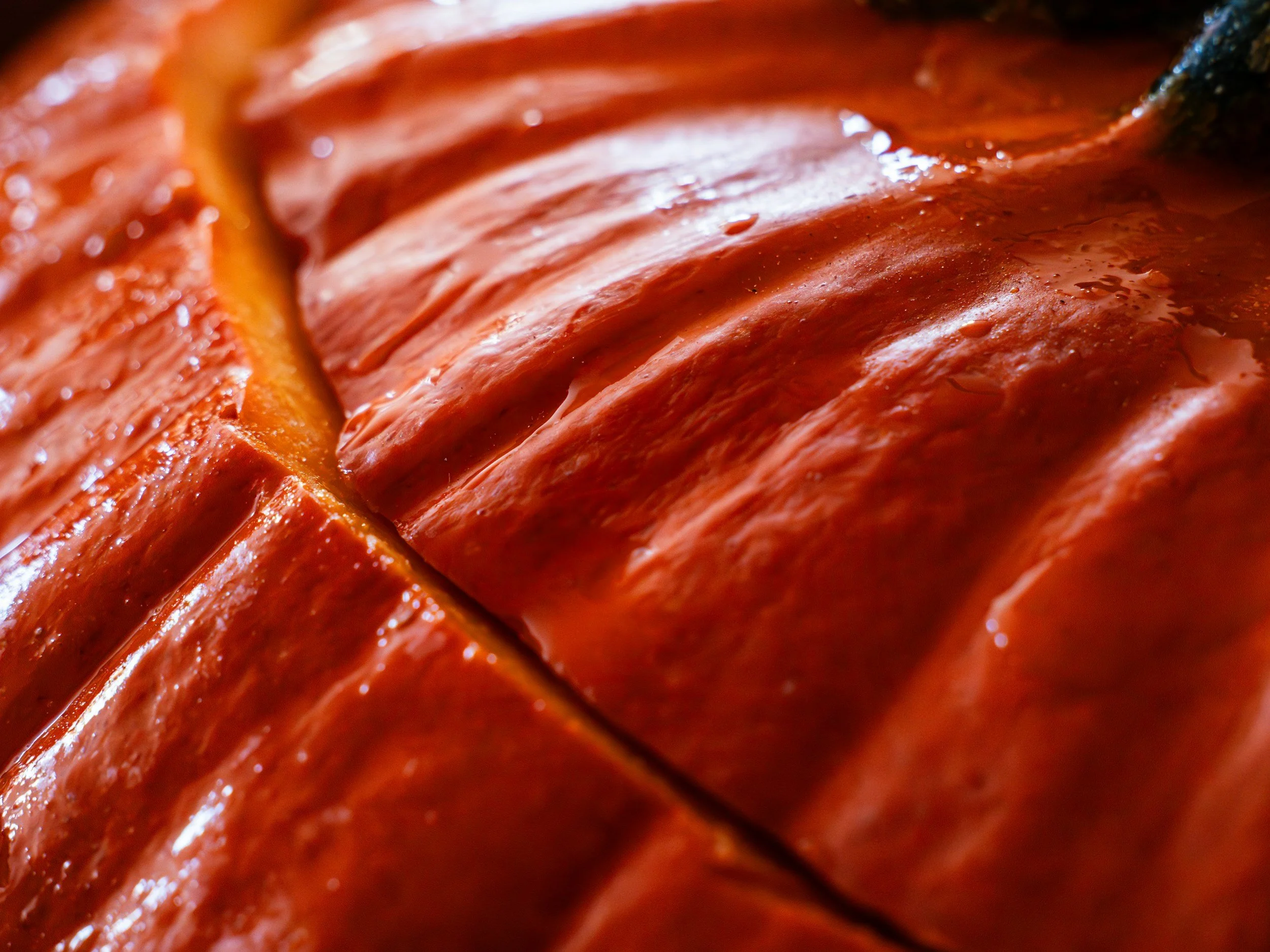
“Pumpkin is seen as warming - this helps gently stoke your ‘digestive fire,’ making it a perfect fit for cool autumn months heading into winter. It is also seen as a tonic for the spleen and stomach, the two organs most responsible for healthy digestion in TCM. If you notice yourself feeling fatigued, cold or bloated as the seasons start to change, pumpkin can be a great addition to your diet to help circulate qi, drain dampness, and promote healthy bowel movements.”
Individualized Nutrition
TCM is a highly individualized, person-centered system of medicine. This means that TCM diagnosis is specific to the individual, their unique constitution and circumstances. Western conventional medical diagnoses tend toward standardization, identifying effective protocols through randomized control trials and empirical data. Conversely, TCM starts with the individual and their environment.
When TCM practitioners employ dietary theory principles in treatments, says Larissa, “each individual’s current symptoms and overall health history are taken into account when discussing ideal foods from a TCM perspective, as well as the current season and climate.”
Larissa emphasizes that what sets TCM apart from conventional Western nutrition is this individualized approach to food, taking into account the energetic makeup of both the individual and the foods they eat.
“In the Western view generally foods are seen as either being ‘healthy’ or not ... For example, broadly foods such as yogurt and salads are considered healthy to eat. Although TCM may view these same foods as healthy for one person, it may not be seen as healthy or helpful for another person based on their individual symptoms and underlying constitution.”
Eating With the Seasons
Seasonal eating is not simply an afterthought in TCM. Autumn Drake LAc observes, “I think seasonal eating is the cornerstone foundation of Chinese medicine and therapy.”
As we have discussed in previous blogs themed around spring, summer, fall, and winter, the seasons are foundational to Chinese medicine philosophy. Larissa says, “TCM emphasizes living in harmony with the environment and promotes eating differently based on the season we are in to best support our bodies.”
Our practitioners share examples of TCM seasonal food recommendations:
Winter is associated with the water element, and the kidneys.
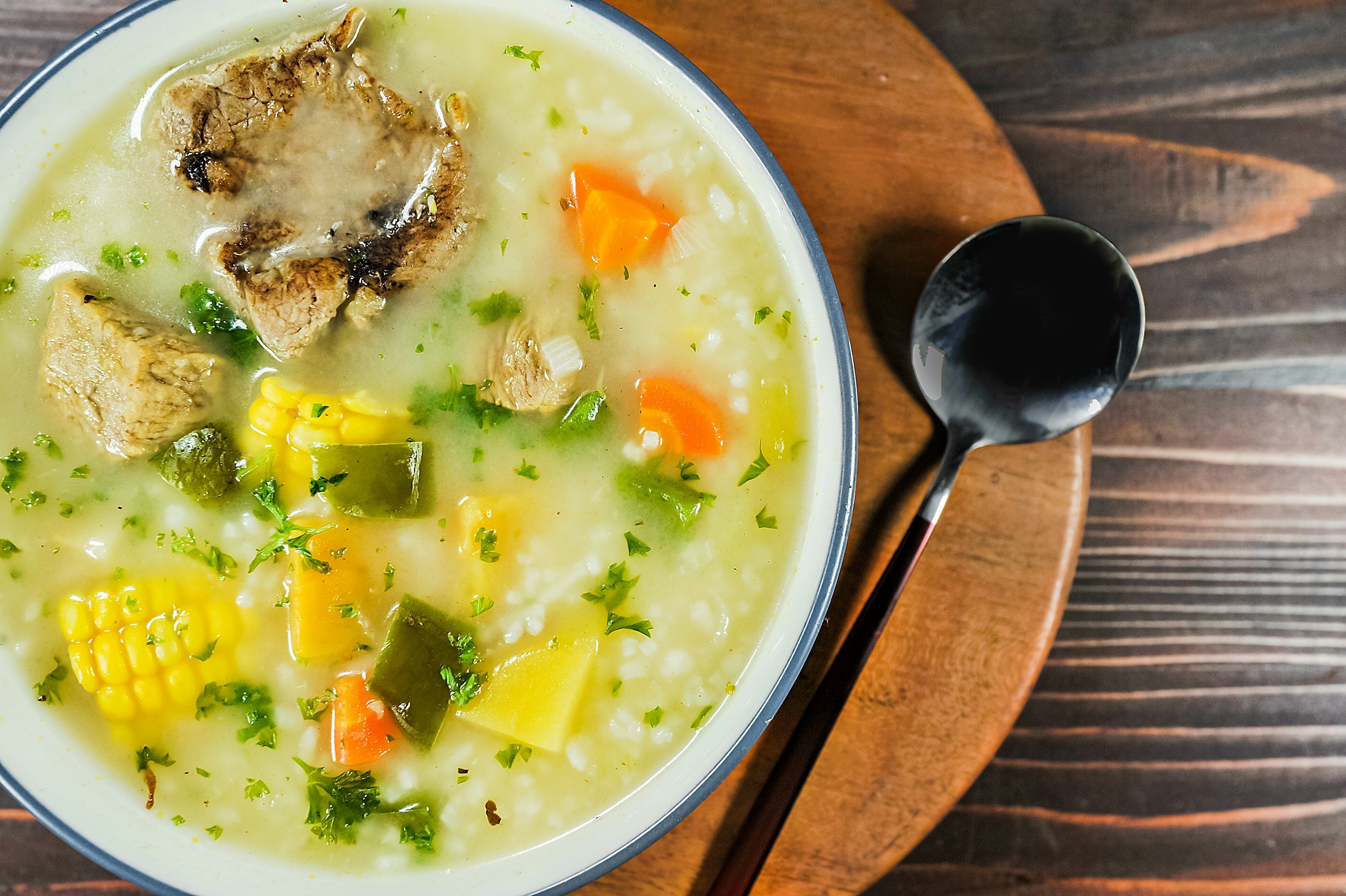
Larissa Vados PhD, LAc recommends “eating more warming foods in the winter such as stews, soups, and warming spices such as ginger and cinnamon.”
(See Nourish Yin This Winter for more.)
Spring is associated with the wood element, and the liver and gallbladder.
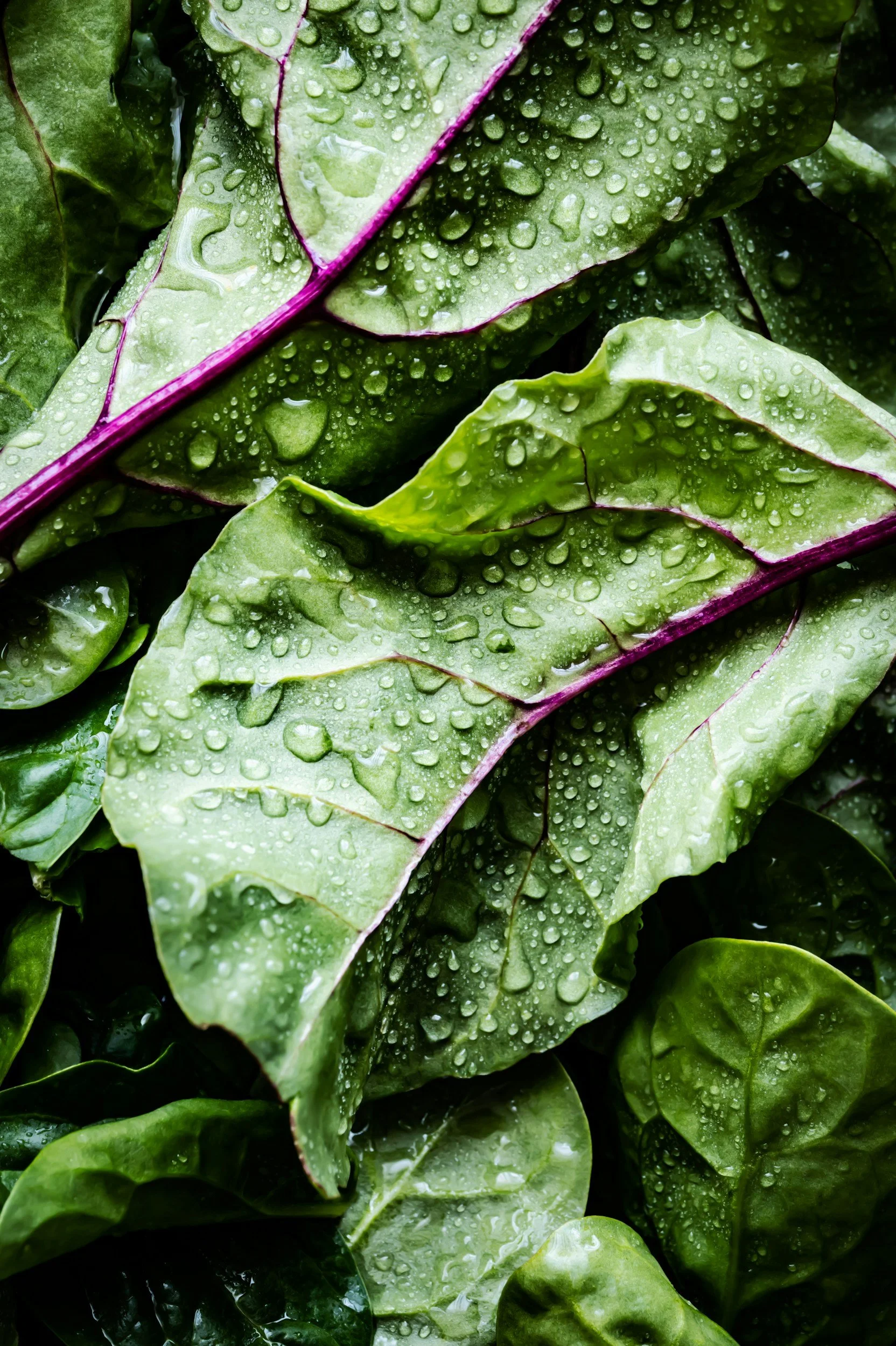
Again, Larissa: “Incorporate more green foods and sour foods, as these are associated with the liver and gallbladder systems in TCM. Examples of green foods are generally vegetables such as leafy green vegetables, broccoli, peas, etc. Sour foods can include fermented foods, lemon, plain yogurt, goji berries, and vinegar.”
(See Spring into Spring for more).
Summer is associated with the fire element, and the heart.
As MIHS co-owner Said Isayed TCMD shared in Summer and TCM, in summertime “cucumbers are great. They're cooling, they grow on the ground, we eat them and we feel refreshed. They have a lot of water and antioxidants….Bitter things help cool down….Sour foods, watermelon, lemons, apples, all as it comes in season.”
Fall is associated with the metal element, and the lungs and large intestine.
According to Autumn Drake LAc, “fall is really a time between nourish spleen qi, and the stomach…you need warm cooked foods….avoiding cold and raw as much as possible.”
(See Embracing Fall, Preparing for Winter for more.)
An easy rule of thumb for eating seasonally? Look to nature. “Most of the time you will find that the recommended foods are plants that are in season during that time of year,” says Larissa.
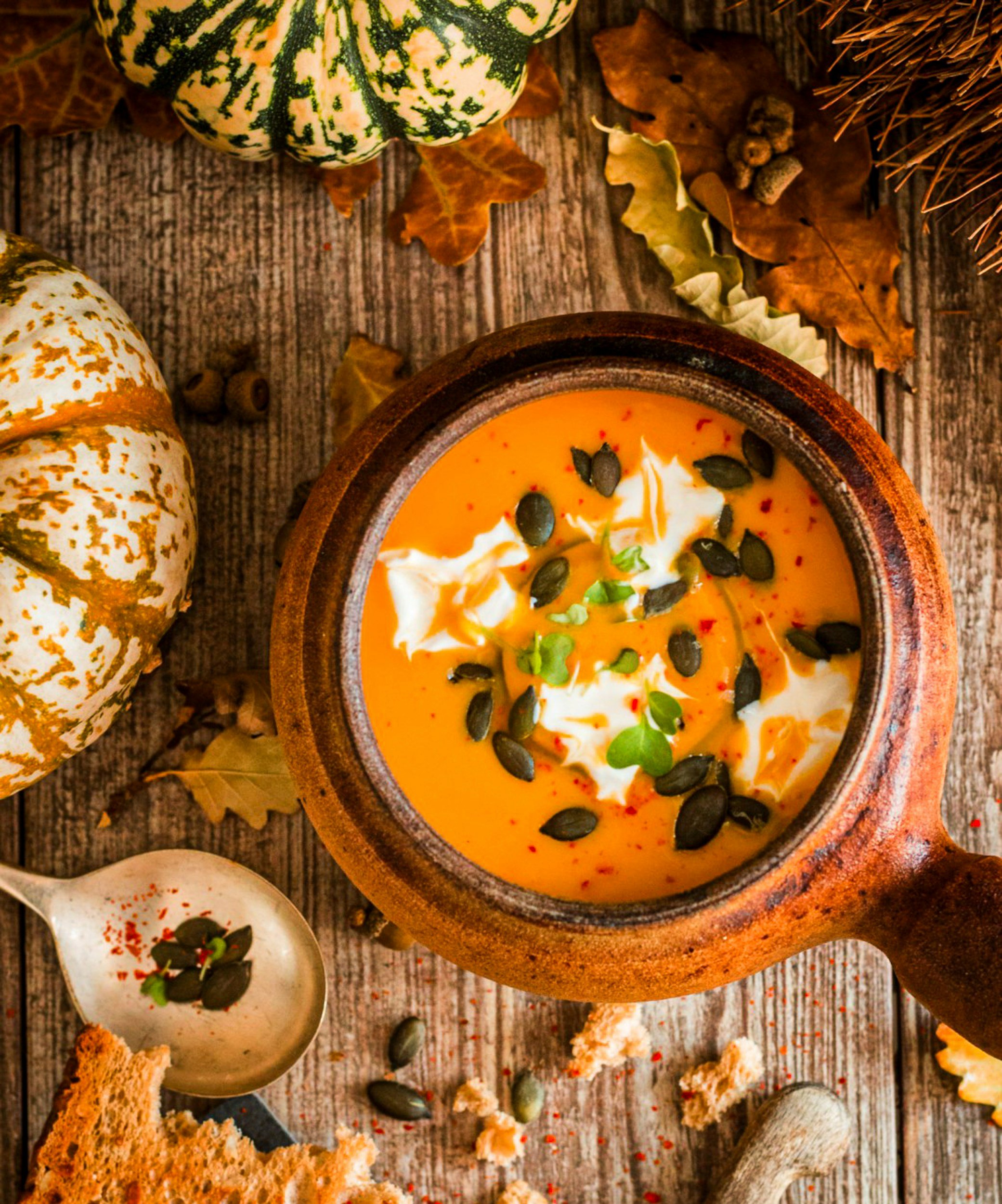
In TCM, these seasonal eating changes reflect how humans are part of our surrounding environment. For Autumn, an intriguing aspect of Chinese Medicine is “how colors connect to food, which are connected to the seasons, and the elements.” For example, while yellow and orange foods are emphasized in late summer and fall (think sweet potatoes and pears, pumpkin and squash), recommended spring foods are largely green in color. “ I find that fascinating, because [ancient TCM practitioners] were just really in tune with nature and our environment, where we’re so separated” in modern U.S. society.
For Said, seasonal eating is also about living sustainably on the planet. “Sustainability is the main thing. When it's in season, it’s always cheaper and less shipping and less pollution…and it’s always beneficial for you.” Said puts it bluntly:
“Why would you eat a watermelon in the winter? There's no point.”
The Fifth Season: Spleen and Stomach

“In Chinese medicine, healthy digestion is synonymous with a happy Spleen.”
Beinfield & Korngold (1991) Between Heaven and Earth: A Guide to Chinese Medicine
Chinese Medicine theory describes a fifth season that is neither spring, summer, winter, or fall. This fifth season is one of transition–from late summer to early fall. This fifth realm is associated with the earth element. The earth element also relates to the equinoxes and solstices, the liminal times between seasons throughout the year. Importantly, this fifth season is associated with the spleen and stomach. (Pitchford, 1998.)
Spleen and stomach are central to TCM dietary theory, because they rule digestion. Stomach is the yang organ of the pair, related to “digestive fire” and sending qi downward for elimination. Spleen is the yin organ, responsible for transforming qi from food and sending it upward in the body. (Beinfield & Korngold, 1991.) When it comes to food, nutrition, and digestion from a TCM perspective, everything comes back to the spleen and stomach.
Ashley Steffensen LAc explains:
“There's this idea in Chinese medicine that if somebody comes in, and let’s say they are a complicated pattern, a complicated constitution…they're all mixed up, you don't even know where to start. There's two places that you can start.
You can start either with treating their spirit, the shen–-kind of like the nervous system. Or you can start with the Earth system, their digestion: the spleen-stomach. So I do feel like there is sort of a catch-all dietary advice that we use in Chinese medicine. And it's to eat for the spleen-stomach.”
Ashley shares more about the TCM perspective on these organ systems:
“I would say the spleen-stomach is… the most important thing that you've got. Because we get our energy from several different sources: the air we breathe, from our ancestors, and the food we eat.
The spleen and stomach, they transform and they transport all of our nutrition. They transform it from food into nourishment and into poop. And then they transport it, they give it to everybody else in the body. So it's really important because if you don't eat for the spleen and stomach, then how are the other systems going to continue prospering?”
Ashley adds that there are societal and cultural contributors to spleen and stomach health:

“Because also…we’re American.
Everyone's digestion is, excuse my language here, it's f****d….
Everyone’s digestion is f***d, so that's why I think I come back to this. There's some spleen qi deficiency that we need to eat for.”
Eating for the Spleen and Stomach
Autumn shares her basic guidelines for maintaining a healthy spleen-stomach.
“ Two things: seasonal eating and avoiding cold raw foods…are the foundation to creating a good stomach fire.”
Ashley adds that eating for spleen and stomach health:
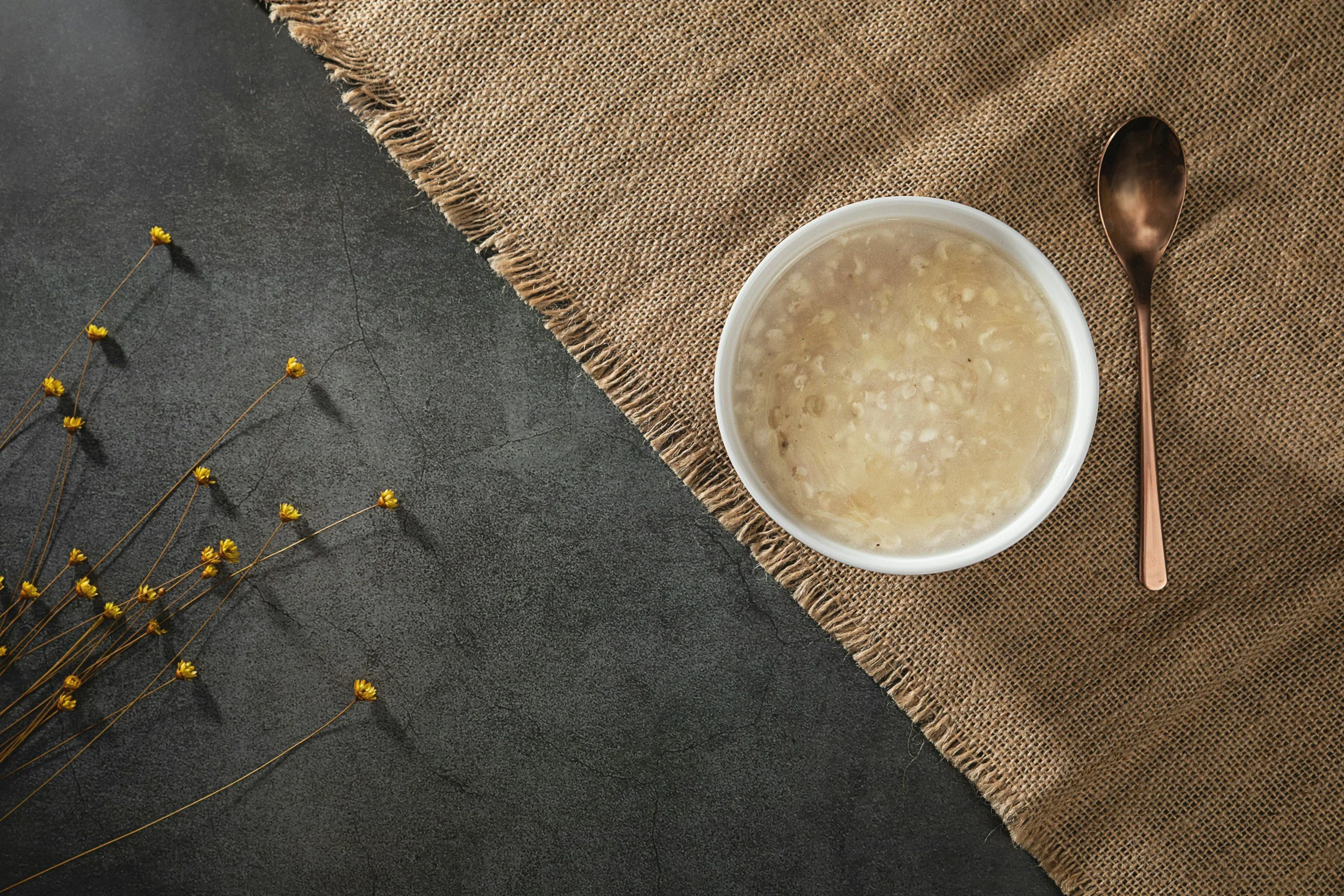
“…basically looks like eating foods that are easy to digest. I actually don't think that Chinese medicine really promotes this idea in the West of variety, where like, we have to eat so much variety. It's eating more just—simple. And broken down. The cut and dry here is you want, like, predigested food. The soups, and the congee and the hot cereal. Maybe some simple grains with a protein, working in some steamed vegetables. And so it's kind of like, then your soup is already half digested, the hot cereal’s already cooked, and then you just, boom, transform, transport. Nourished. Boom.”
Stress and Nutrition
Although conventional Western medicine increasingly acknowledges the connection between stress and nutrition, this awareness is inherent to TCM. Chinese Medicine philosophy reflects the interconnectedness of mind, body, and spirit. Healthy diet and digestion supports a well-balanced mind and spirit (or shen in TCM)–and vice versa.
Our mental wellbeing is seen as intimately related to digestion. Autumn notes that supporting digestion is not only a matter of the food we consume, but also has to do with the mind. In our hyperconnected, media-driven society, she says,
“I think the consumption of information is taxing on the spleen.”
In our blog article Sleep: Finding the Balance, Said cites an ancient TCM adage he translates as, “if your stomach is not good, your sleep is not peaceful.”

Said emphasizes that the relationship between mental wellness and nutrition is evolutionary in nature, connected to ancient human physiology.
“Mental health and nutrition go hand in hand, together. Think about, you know, 3000 years ago, what would people worry about? Food and safety. Being safe means having enough food. Will the winter be a harsh one? So anytime people would get high stress, their body would slow their metabolism, try to store energy, because it expects food uncertainty and a lack of nutrition, right?
Fast forward to today. Your brain and your body still think the same way. It doesn't understand that you're stressed because your amygdala is making choices all the time, or that you have a mortgage. The stress goes down to the body like, hey, there's gonna be no food, and then cortisol gets in [the bloodstream], everything slows down, people start gaining weight.
Your biological body does not understand all the stuff that your brain understands. It doesn't know you have food in your kitchen, grocery stores. It doesn't work that way. So mental health and nutrition go hand in hand, together. If you don't manage your mental health, your metabolism is not normal.”
Making Healthy Changes
Even when we want to make changes to what and how we eat, research affirms that changes to diet can be notoriously difficult. But making changes to a healthier, more well-balanced approach to nutrition is possible. Here are some ways to begin.
Slow Down
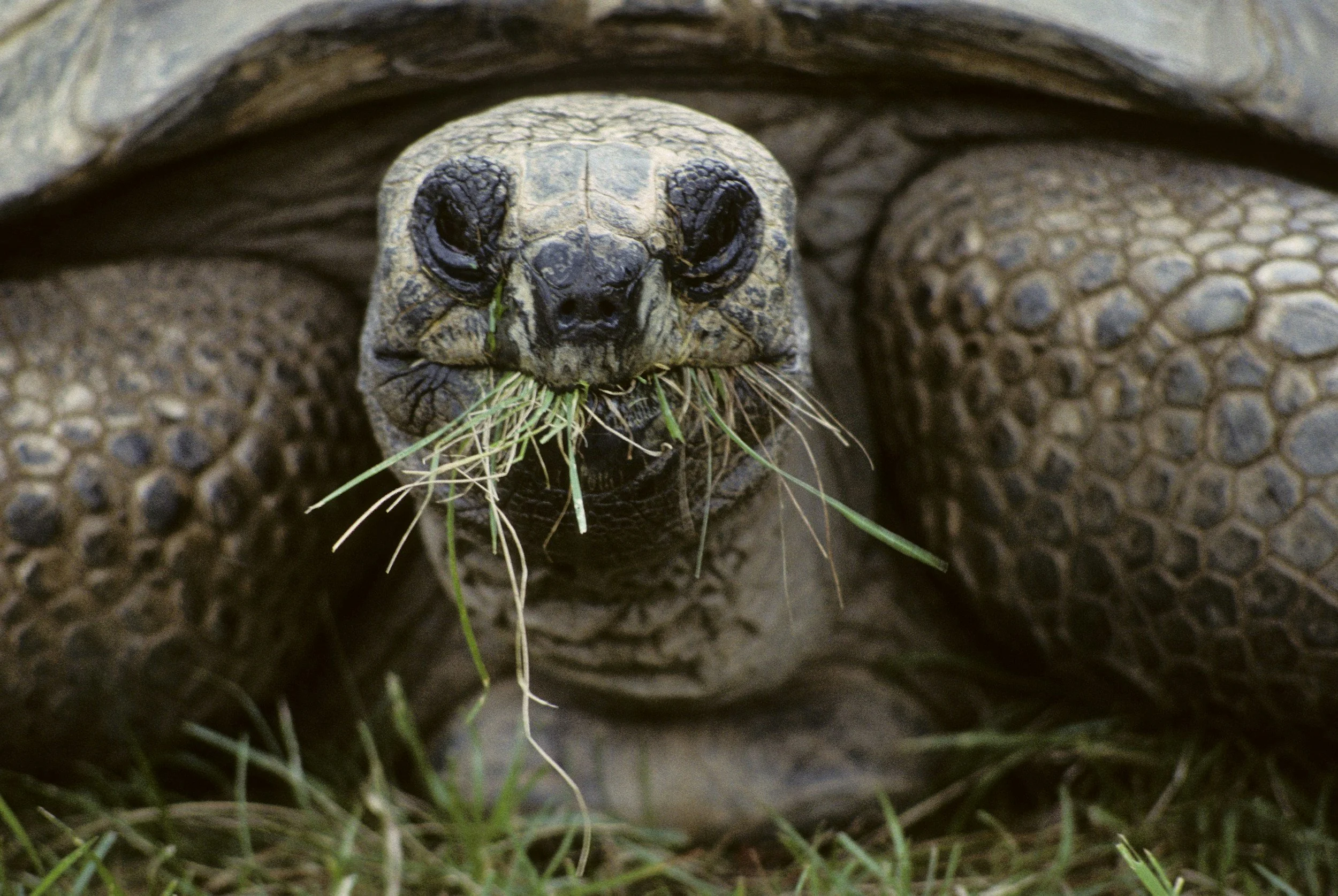
TCM philosophy emphasizes that nutrition is holistic, related to all aspects of life. Balanced nutrition is not only about what we eat but how we eat. This means mindful preparation of food, slowing down to eat, chewing thoroughly, and caring for ourselves throughout the day in ways that support proper digestion (Pitchford, 1998).
This is another area where conventional health care is gradually beginning to reflect more of the innate wisdom of TCM. “Mindful Eating” is an area of growing research in medicine and nutrition, with studies demonstrating that distracted eating may have harmful effects, whereas mindful eating interventions are associated with an array of clinically significant health improvements.
Start Small
Autumn acknowledges that food and diet can be loaded topics in our society, touching on issues related to family, mental health, unconscious patterns, finances, social inequality, and more. “It's important to talk about food, but it's hard. There's all those factors,” she says, but ultimately making change comes down to “okay, how do I make this one step?”
When it comes to taking a first step, Autumn enlists her patients’ creativity and curiosity: “I love...making it a challenge for my patients…like a design experiment. Okay, try doing this one thing for a week, what happens? I think that makes it more engaging.”
This emphasis on starting small is based on her own experience. When Autumn started studying Chinese Medicine, she says, it influenced her personally. “I think my biggest change was reducing raw food, cold food…cold drinks…and noticing how much better my energy feels with those changes.”

Seek Support
For individualized TCM dietary guidance aligned with your constitution, consider a Private Acupuncture or Chinese Medicine Treatment appointment. Our practitioners can assess your constitution and give you appropriate nutrition recommendations through the lens of Chinese Medicine principles. Even a community acupuncture appointment may allow time for a helpful food tip or two from your acupuncturist, depending on your circumstances. Larissa explains that she sees TCM dietary therapy as “a good option to help support patients outside of the clinic - something they can employ at home to help their overall health and wellness and progress towards symptom relief. There are often very simple ideas that can help patients in their healing journey.”

Don’t forget that we now have a registered dietitian on our team! Consider booking with Rachel Luong MS, RD, LD if you are curious about how a Nutrition Consultation can help you. While a Nutrition Consultation can be helpful for anyone who is interested, Larissa adds, “I always refer to a competent Registered Dietitian when more in depth help is required for more complex medical conditions.” At MIHS, we see integrative nutrition as a “both/and” rather than an “either/or” when it comes to TCM and more conventional nutrition approaches. Larissa adds, “The two can work together very well, and at MIHS we are uniquely positioned to offer the best of both worlds - we have expertly trained TCM staff and an expert RD on staff to help guide you in all your dietary and nutrition needs.”
If you or anyone you know has a relationship to food that doesn’t currently feel safe or secure, you are not alone. For support accessing food in Minnesota, reach out to The Food Group. If you or someone you know is struggling with an eating disorder, you can visit the National Eating Disorders Association website here, call their Helpline at 1-800-931-2237, or text “NEDA” to 741-741.
To find out more about TCM, Nutrition Consultations, and other Minnesota Integrative Health Studio services, check out our website. You can book online here. Questions? Feel free to contact us, call (612.345.5648), at or stop by “the studio” on our corner of northeast Minneapolis.
Resources:
Beinfield, H & Korngold, E. (1991). Between heaven and earth: A guide to Chinese Medicine. Ballantine Books. NY, NY.
Betts, D. (2006). Traditional Chinese Dietary Medicine. (Handout). Compiled by Debra Betts author of “The essential guide to Acupuncture in Pregnancy and Childbirth” © 2006 Website http://acupuncture.rhizome.net.nz
Bremner JD, Moazzami K, Wittbrodt MT, Nye JA, Lima BB, Gillespie CF, Rapaport MH, Pearce BD, Shah AJ, Vaccarino V. Diet, Stress and Mental Health.Nutrients. 2020 Aug 13;12(8):2428. doi: 10.3390/nu12082428. PMID: 32823562; PMCID: PMC7468813.
Harvard TH Chan School of Public Health. (2020.) Mindful Eating. The Nutrition Source. Retrieved 11/1/26 from https://nutritionsource.hsph.harvard.edu/mindful-eating/.
Minnesota Integrative Health Studio. (2025). What is integrative health? (Holistic). https://www.mnintegrative.com/blog/integrative1
Pitchford , Paul (1998). Healing with Whole Foods. North Atlantic Books. Berkeley, CA.
Rabasa & Dickson. (2016). Impact of stress on metabolism and energy balance. Current Opinion in Behavioral Sciences. Volume 9, pp 71-77.ISSN 2352-1546.https://doi.org/10.1016/j.cobeha.2016.01.011
Seo M, Pyeon SY, Kim MS. (2025.) Molecular Links Between Metabolism and Mental Health: Integrative Pathways from GDF15-Mediated Stress Signaling to Brain Energy Homeostasis. Int J Mol Sci. 2025 Aug 6;26(15):7611. doi: 10.3390/ijms26157611. PMID: 40806735; PMCID: PMC12347807.
Wei-Zheng Zhang, W. & van der Kooij, M.A. (2020.)The impact of chronic stress on energy metabolism. Molecular and Cellular Neuroscience. Volume 107, 103525. ISSN 1044-7431. https://doi.org/10.1016/j.mcn.2020.103525.