
Reiki, Energy Work, & Coaching
March is National Sleep Awareness Month. Here at MN Integrative Health Studio, it could not be better timed. With the stress and upheaval of the ongoing federal occupation of Minnesota throughout January and February, the ability to rest and sleep has suffered. Our practices and modalities at MIHS offer essential support for holistic wellbeing that supports rest and sleep–even when it is most difficult to come by.
Calm Shen, Restful Sleep
MIHS co-owner and TCM practitioner Larissa Vados PhD, LAc shares that in Traditional Chinese Medicine (TCM), the heart is seen as housing the Shen or “spirit.” Notably, in TCM, the organ systems are far more complex and nuanced than biomedical concepts of the organs. This more complex Chinese Medicine heart is home to the Shen, which Larissa says “governs consciousness, emotions, mental clarity, sleep and dreaming. During sleep the Shen and Qi move inward to allow for restful, restorative sleep. Therefore in TCM, when Shen is calm and anchored, sleep is deep and restful.”

Collective Shen Out of Balance
The past months have been anything but calm and anchored in Minnesota. Amidst horrors of sheltering in place, violence, terror, public executions, and overall economic and social upheaval, you could say that collectively, our Shen is disturbed. As noted in last month’s blog article, we have been seeing many symptoms of stress at MIHS–as practitioners, and in ourselves and our loved ones. Sarah White is a practitioner of Therapeutic Massage & Bodywork and Biodynamic Craniosacral therapy, Certified Meditation Coach, CMT, and CYT. Drawing on years of study and experience, Sarah observes “something I've been noticing consistently in bodies since the beginning of January, is more intense bracing than I'm used to feeling as a collective.”
Among stress symptoms, disturbed sleep and insomnia have been at the top of the list for many people: disrupted sleep, not enough sleep, interrupted sleep, nightmares. According to Larissa, in TCM these sleep patterns are classic indications of disturbed Shen.

Biomedical Perspectives on Sleep
Biomedicine, or allopathic medicine is a lens of pathology and disease, and the pathology associated with disrupted sleep is “insomnia.” Short-term insomnia might look like difficulty falling or staying asleep, or poor quality sleep, for days or even weeks at a time (NIH). According to the Mayo clinic, an estimated 10% of adults meet the diagnostic criteria for chronic insomnia. For a diagnosis of chronic insomnia, sleep disturbances “must be present for at least 3 months and last for 3 or more days of the week” (Mayo).
In his 2017 book Why We Sleep, director of the UC Berkeley Sleep and Neuroimaging Lab Matthew Walker PhD makes the case that clinical criteria underestimates the “widespread and serious problem” of insufficient sleep for public health. Like so many health matters, sleep is also a justice issue. In the US, individuals from so-called “minority” ethnic or racial backgrounds and low-income households experience a disproportionately greater burden of sleep-related chronic illness, relative to individuals who are white and live in affluent households (Giardin, J. et. al, 2022). Black Americans are more likely to experience “shorter sleep”: 5 hours or less per night (Nunes et al, 2008). Insomnia is more prevalent among women than men (Zeng et al 2019), and women from racial and ethnic “minority” groups in the US experience greater sleep disturbance than white women (Amyx, et al. 2017).

Losing sleep is consequential. Insufficient and inadequate sleep is linked to poor outcomes in cognitive, psychiatric, cardiovascular, immune, hormonal, and metabolic health (Harvard, Cleveland Clinic). Importantly, sleep disturbance is associated with increased pain perception (Walker). Walker argues, “insomnia is one of the most pressing and prevalent medical issues facing modern society, yet few speak of it this way, recognize the burden, or feel there’s a need to act” (p. 243).
What Causes Insomnia?
In modern medical terms, explanations for insomnia are complex. Walker (2017, p. 167) notes that "[w]ith few exceptions over the past half century, every experiment that’s investigated the impact of deficient sleep on the human body has observed an overactive sympathetic nervous system.” In other words, sleep deficiencies appear overwhelmingly linked to being in “fight or flight” mode too often, known as hyperarousal (Cleveland Clinic).
However, some argue that the underlying causes of insomnia may not be limited to a hyperaroused nervous system, pointing to the complex mechanisms of the sleep-wake cycle. Biomedical treatments for insomnia include Cognitive Behavioral Therapy for Insomnia (CBT-I), and medications.
TCM Perspectives on Sleep
Traditional Chinese Medicine is an ancient system of medicine that emphasizes balance as the basis of health, rather than focus on pathology or disease. A TCM approach therefore looks to earlier signs of imbalance, recognizing subtler indications of disrupted sleep–such as the vivid dreams, nightmares, or interrupted sleep patterns associated with disturbed Shen.
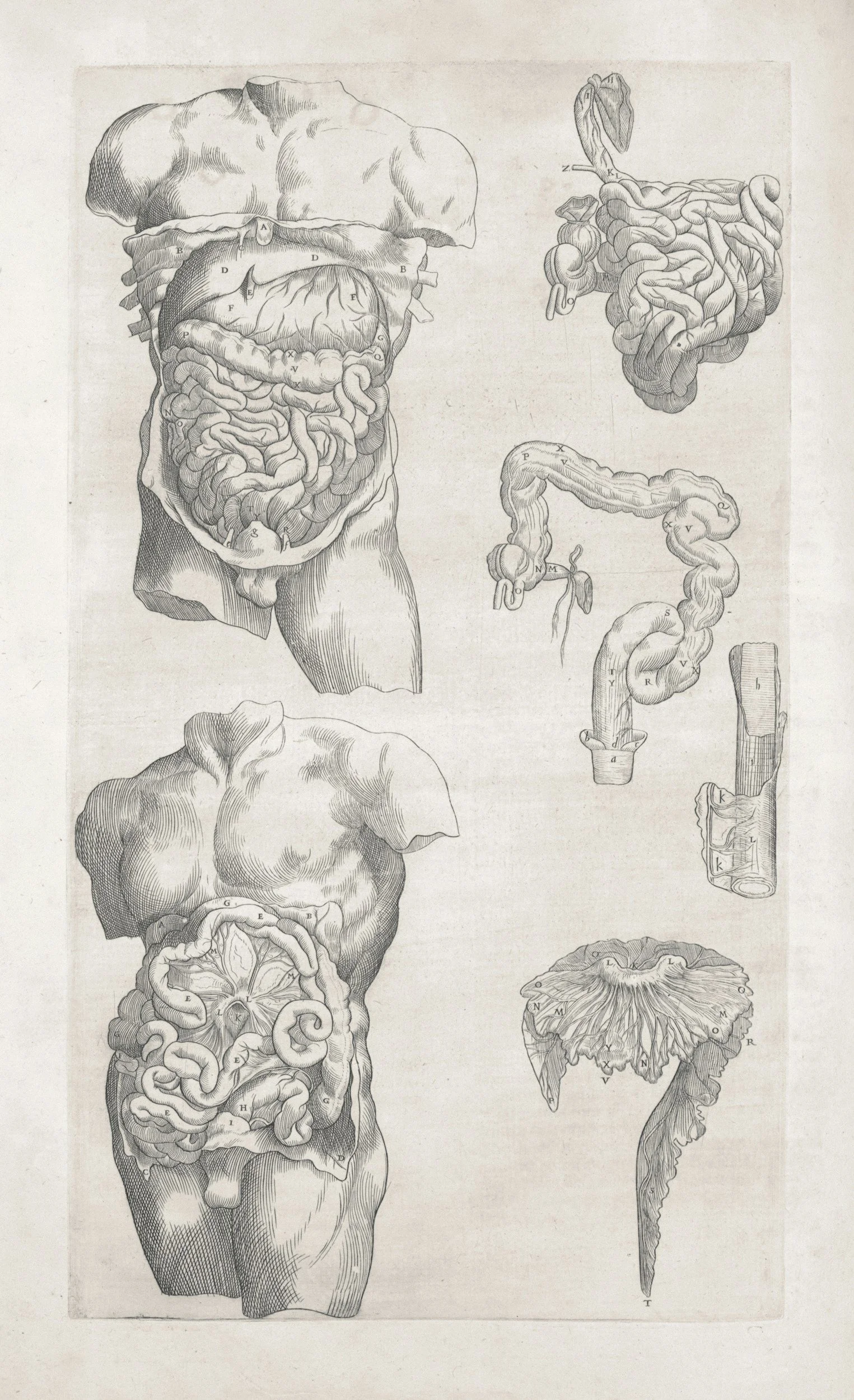
Ultimately, according to MIHS co-owner and TCM practitioner Said Isayed, “stomach and stress” are the two most important factors in a TCM approach to healthy sleep. While stress is well documented as a contributing factor to sleep, Said feels that one thing people misunderstand about sleep is the role of the stomach. He points to 胃不安则卧不宁, a TCM expression translating to
“if your stomach is not good, your sleep is not peaceful.”

Said explains, “people that have digestive issues tend to have sleep issues as well. After you’re out of the womb, the stomach is in charge of processing nutrients, and if the stomach is not working, you’re not going to be able to produce qi and blood, which is responsible for nourishing your heart and shen. Which is going to cause sleep issues.”
Said also points to TCM’s emphasis on harmony with nature as it relates to sleep. Rigid routines that are out of sync with nature, he says, interrupt circadian rhythms.
“As part of nature, it is important to sleep when the sun is down, and wake up in the sun.
That's how the body works. Producing hormones, good things in the body happen in the absence of daylight. The cycle of life is really important. In the winter, you sleep longer, because it's darker. In the summer, you wake up earlier with the sun, and it's very important to keep this cycle with the season to have a healthy sleep habit. In the winter, if you wake up a little bit later, it's healthier for you.”
Larissa shares that in TCM, there are a few common patterns associated w/ disrupted sleep:
Excess or deficient heat in the heart, which can result from stress, overthinking, hormonal shifts, illnesses/inflammation, or emotional trauma.
Liver Qi Stagnation, which can result from stress, depression, and/or hormonal shifts. Liver is responsible for the free flow of Qi, when there is long term stress or even acute stress, the Qi is said to get stuck, and is no longer flowing freely.
Heart/Kidney not communicating. Heart (fire) and Kidney (water) are meant to balance one other. Imbalance between these two organ systems can occur with aging, overwork, illness, hormonal shifts, and long term stress or burnout.
Digestive system imbalances (spleen/stomach/liver systems in TCM can all be involved here), which can be caused by eating too late at night, or eating too many heavy, greasy, rich foods.
TCM and Biomedicine Meet
Many of these TCM concepts of sleep are consistent with current biomedical research and theories, including:
Hyperarousal of the autonomic nervous system. Practices that calm the nervous system, shifting the body from “fight or flight” to “rest and digest” can support healthy sleep.
Circadian rhythm. Attuning to the body’s biological rhythms as they relate to daylight, food intake, stress, movement, and temperature allows for sleep cycle regulation and restorative sleep.
The gut-brain connection. Nutrient-rich foods, optimal hydration, and intake patterns that promote digestive health influence the complex interactions between the gut microbiome and brain.
The wisdom of TCM reflects the reality that these biomedical concepts are not discrete systems, but intricately interconnected. Said Isayed explains the delicate balance among systems as it relates to qi.
“ The stomach is where nutrients get processed into qi, blood. And the qi blood is what nourishes organs. So if they're not nourishing, then you're not feeding the brain, you're not feeding the organs. In modern medicine, it's all about blood flow to the brain, right? There's a lot of that stuff going on in your brain when you're sleeping. It needs enough maximum supply of blood during sleep to produce hormones and restore health.
A lot of people have digestive issues, inflammation, lack of nutrition, and with a lot of inflammation that means lots of blood is pooling, you get bigger blood vessels or more activity going on. So the blood is focused on inflammation and other parts of the body, there’s not enough blood going to the brain, so people have sleep issues.
When you sleep, the brain will send signals that it needs enough blood flow, it needs oxygen. People who have sleep apnea, for example, right? When the brain needs the nutrients, it sends signals that say ‘pump your heart harder,’ right? So when people have high blood pressure, it might be just neck issues or arteries, but the brain says, I want more blood. So the heart goes harder. When you have a full tummy and you go to bed, same thing. You sleep, and if you wake up an hour or so after, you feel like your heart is like going, because your brain isn’t getting adequate blood flow.
With upper back and neck tension and issues you also might sometimes have sleep issues as well. Menopause, hormonal disruptions, your hormones change, your body temperature change, go through, night sweats or hot flashes all these symptoms. That affects people's sleep as well. Each age of your life, there's different challenges.”
Traditional Chinese Medicine for Improving Sleep
TCM is a subtle, intricate system of medicine well-suited to meet the complex nature of sleep challenges. There is an abundance of clinical evidence supporting the use of acupuncture and TCM approaches for sleep regulation, insomnia, and nervous system regulation. Acupuncture offers a safe and cost-effective option when considered alongside standard insomnia treatments of CBT-I and medications. Research suggests that:

More Integrative Approaches to Sleep and Rest
Beyond acupuncture and other TCM modalities, MIHS offers a number of practices that promote nervous system regulation, rest, and sleep. Yoga teacher Nadia Alsadi and practitioner Sarah White offer insight into sleep and rest through their unique practices.
Yin Yoga, Gateway to Sleep
Yin Yoga Instructor Nadia Alsadi E-RYT-E shares:
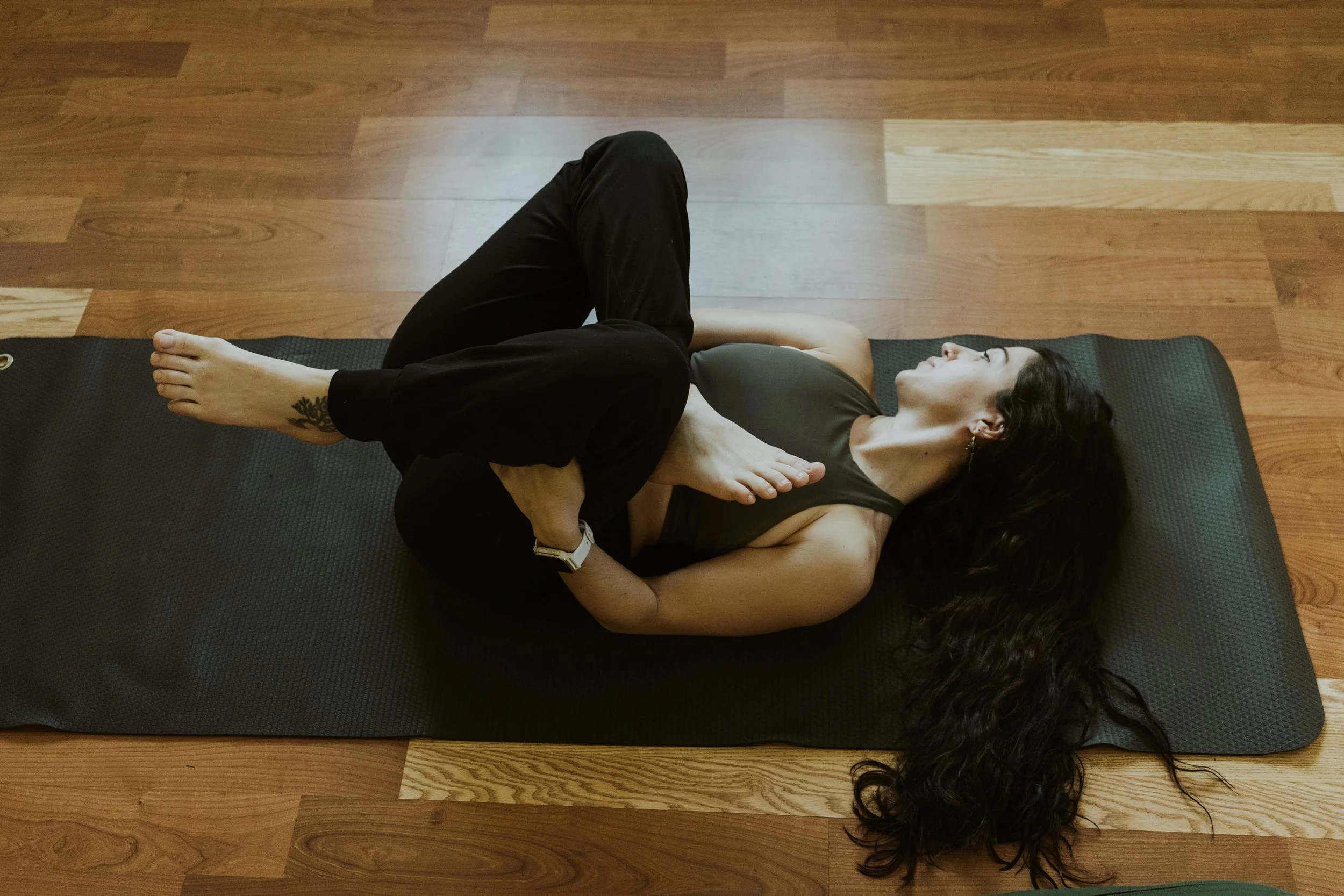
“sleep is such an underrated priority when considering our overall health. Yin yoga specifically can be beneficial for sleep for several reasons:
The calming environment of silence in a yin practice can support the transition to a nighttime routine / healthy sleep schedule.
Yin yoga is meant to target fascia tissue / connective tissues in our body that often harbors a lot of tension. With this release, and with the added patience of being still for time, yin yoga students may feel deep relaxation or restfulness.
The focus of mindfulness and breathwork can support a regulated nervous system and a healthy sleep schedule.
Savasana, the final resting pose, is like a little taster of sleep at the end of a yoga practice.
Overall, much of our day to day is centered in yang energy, and a yin practice is meant to bring balance. I think yin is a great tool to support a healthy sleep schedule. I personally have the best sleep when I practice deep hip openers such as frog pose or sleeping swan pose before bed in the evenings.”
Bodywork as Rest: “a break supported with hands”
Practitioner Sarah White shares reflections on rest through her perspective holding space through bodywork over the past couple of months in Minneapolis. She cites working with people coming “straight from something that happened on the street,” people interacting personally and professionally with the federal immigration system,, people who are balancing activism, relational care, holding space for at-risk loved ones, and more.
Sarah shares, “there’s obviously certain bodies that are braced due to living within long term systemic oppression. And there’s another, new level, where it feels like everyone who hits the table is bracing. And people that normally have to live braced, are braced even closer toward their medial body….I’m thinking about rest in the form of nervous system relief…not just sleeping, but how to be aware, be curious about finding ways to care for yourself so you can stop bracing, as we’re all experiencing something that is so intense.”
Sarah notes that bodywork can provide “a break…supported with hands,” and that sliding scale offerings can make it easier for people not only financially, but mentally, to prioritize taking a break for themselves. Sarah describes what she’s seeing in holding space for rest as profound: “it’s a really big feeling that I'm trying to figure out how to put into a short amount of words.”
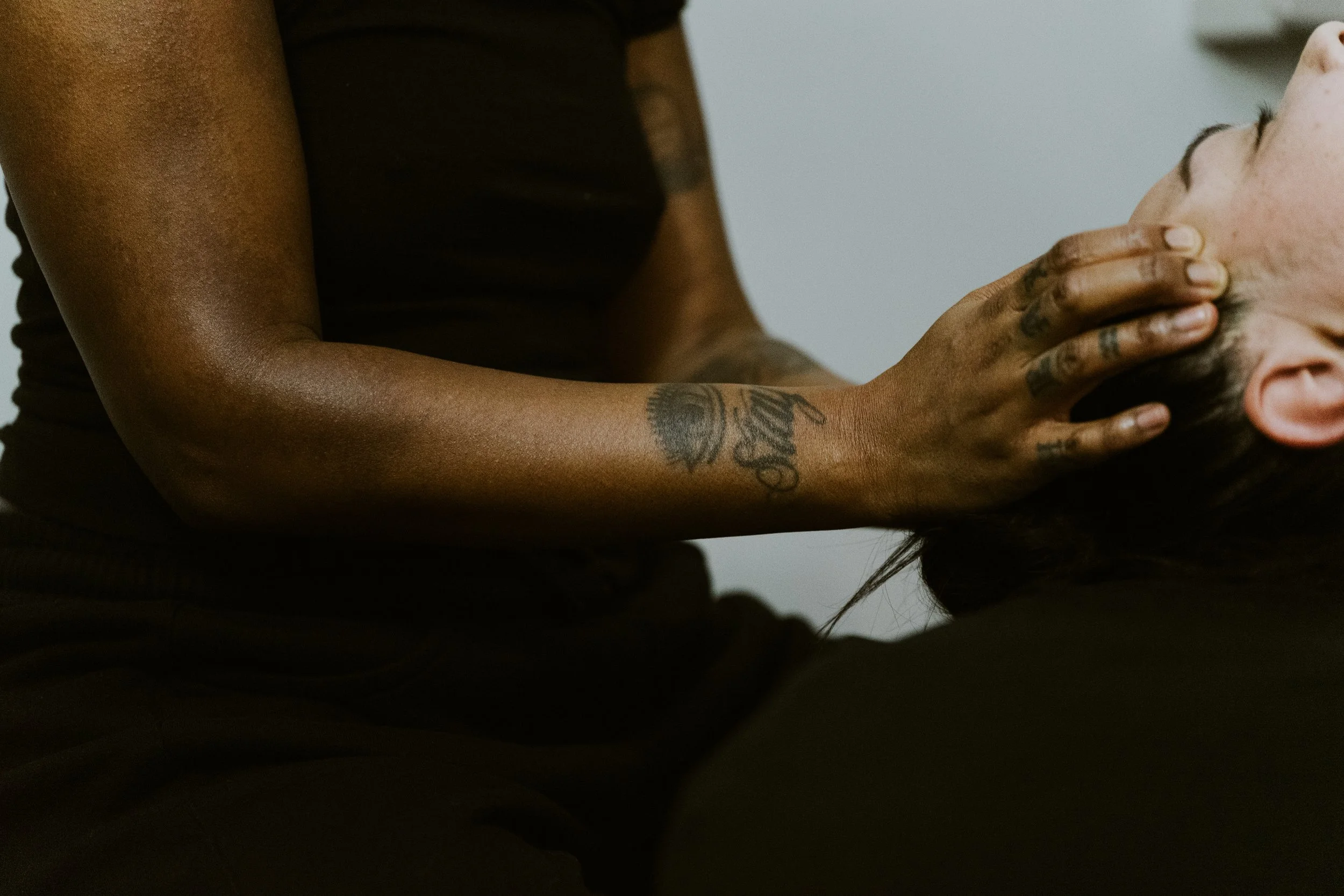
Sleep is complex, and relies on a delicate balance of the complex mechanisms of the human body. To sleep well, we must be able to experience rest and relaxation, receive and digest nourishment, and find balance within ourselves and the natural world. Sleep reflects our multidimensional nature, and the fact that we are interconnected with our human family and all of life.
“Everything we know about rest has been tainted by the brainwashing from a white supremacist, capitalist system….We believe rest is a luxury, privilege, and an extra treat we can give to ourselves after suffering from exhaustion and sleep deprivation. Rest isn't a luxury, but an absolute necessity if we’re going to survive and thrive.
Rest isn’t an afterthought, but a basic part of being human. Rest is a divine right. Rest is a human right. We come in to the world prepared to love, care, and rest.”
Tricia Hersey, Rest is Resistance
To find out more about Minnesota Integrative Health Studio services, check out our website. You can book online here. Questions? Feel free to contact us, call (612.345.5648), at or stop by “the studio” on our corner of northeast Minneapolis.
Resources:
https://my.clevelandclinic.org/health/diseases/12119-insomnia
https://www.mayoclinic.org/diseases-conditions/insomnia/symptoms-causes/syc-203551
Walker, M. (2017). Why we sleep: Unlocking the power of sleep and dreams. Scribner. NY, NY.
https://my.clevelandclinic.org/health/symptoms/hyperarousal
https://www.nhlbi.nih.gov/health/insomnia/treatment
https://www.mayoclinic.org/diseases-conditions/insomnia/diagnosis-treatment/drc-20355173
https://pmc.ncbi.nlm.nih.gov/articles/PMC5366822/
https://www.nhlbi.nih.gov/health/insomnia/causes
https://pmc.ncbi.nlm.nih.gov/articles/PMC8761080/
https://www.nigms.nih.gov/education/fact-sheets/Pages/circadian-rhythms
https://pmc.ncbi.nlm.nih.gov/articles/PMC11901622/
Cao H, Pan X, Li H, Liu J. Acupuncture for treatment of insomnia: a systematic review of randomized controlled trials. J Altern Complement Med. 2009 Nov;15(11):1171-86. doi: 10.1089/acm.2009.0041. PMID: 19922248; PMCID: PMC3156618. https://pmc.ncbi.nlm.nih.gov/articles/PMC3156618/
Lee S, Kim SN. The effects of acupuncture on sleep disorders and its underlying mechanism: a literature review of rodent studies. Front Neurosci. 2023 Aug 8;17:1243029. doi: 10.3389/fnins.2023.1243029. PMID: 37614343; PMCID: PMC10442542.
https://pmc.ncbi.nlm.nih.gov/articles/PMC10442542/
Kalavapalli R, Singareddy R. Role of acupuncture in the treatment of insomnia: a comprehensive review. 2007. In: Database of Abstracts of Reviews of Effects (DARE): Quality-assessed Reviews [Internet]. York (UK): Centre for Reviews and Dissemination (UK); 1995-. Available from: https://www.ncbi.nlm.nih.gov/books/NBK74607/#
Fei-Yi Zhao, Sarah J. Spencer, Gerard A. Kennedy, Zhen Zheng, Russell Conduit, Wen-Jing Zhang, Peijie Xu, Li-Ping Yue, Yan-Mei Wang, Yan Xu, Qiang-Qiang Fu, Yuen-Shan Ho, Acupuncture for primary insomnia: Effectiveness, safety, mechanisms and recommendations for clinical practice, Sleep Medicine Reviews,Volume 74, 2024, 101892, ISSN 1087-0792, https://doi.org/10.1016/j.smrv.2023.101892. https://www.sciencedirect.com/science/article/abs/pii/S108707922300148X
Mustian KM, Sprod LK, Janelsins M, Peppone LJ, Palesh OG, Chandwani K, Reddy PS, Melnik MK, Heckler C, Morrow GR. Multicenter, randomized controlled trial of yoga for sleep quality among cancer survivors. J Clin Oncol. 2013 Sep 10;31(26):3233-41. doi: 10.1200/JCO.2012.43.7707. Epub 2013 Aug 12. PMID: 23940231; PMCID: PMC3757292. https://pmc.ncbi.nlm.nih.gov/articles/PMC3757292/
Liu K, Qin Z, Qin Y, Li Y, Liu Q, Gao F, Zhang P, Wang W. Effects of Reiki therapy on quality of life: a meta-analysis of randomized controlled trials. Syst Rev. 2025 Mar 27;14(1):72. doi: 10.1186/s13643-025-02811-5. PMID: 40148929; PMCID: PMC11951753. https://pmc.ncbi.nlm.nih.gov/articles/PMC11951753/
Yao L, Liu Y, Li M, Zheng H, Sun M, He M, Zhong Z, Ma S, Huang H, Wang H. The central regulatory effects of acupuncture in treating primary insomnia: a review. Front Neurol. 2024 Dec 10;15:1406485. doi: 10.3389/fneur.2024.1406485. PMID: 39719980; PMCID: PMC11666528. https://pubmed.ncbi.nlm.nih.gov/39719980/
Zheng JY, Zhu J, Wang Y, Tian ZZ. Effects of acupuncture on hypothalamic-pituitary-adrenal axis: Current status and future perspectives. J Integr Med. 2024 Jul;22(4):445-458. doi: 10.1016/j.joim.2024.06.004. Epub 2024 Jun 24. PMID: 38955651.https://pubmed.ncbi.nlm.nih.gov/38955651/
Kim SA, Lee SH, Kim JH, van den Noort M, Bosch P, Won T, Yeo S, Lim S. Efficacy of Acupuncture for Insomnia: A Systematic Review and Meta-Analysis. Am J Chin Med. 2021;49(5):1135-1150. doi: 10.1142/S0192415X21500543. Epub 2021 May 27. PMID: 34049475. https://pubmed.ncbi.nlm.nih.gov/34049475/ https://www.sciencedirect.com/science/article/pii/S1389945725001133
Siegel JM. The neurotransmitters of sleep. J Clin Psychiatry. 2004;65 Suppl 16(Suppl 16):4-7. PMID: 15575797; PMCID: PMC8761080.
https://pmc.ncbi.nlm.nih.gov/articles/PMC8761080/
Petrut SM, Bragaru AM, Munteanu AE, Moldovan AD, Moldovan CA, Rusu E. Gut over Mind: Exploring the Powerful Gut-Brain Axis. Nutrients. 2025 Feb 28;17(5):842. doi: 10.3390/nu17050842. PMID: 40077713; PMCID: PMC11901622.
https://pmc.ncbi.nlm.nih.gov/articles/PMC11901622/
https://www.nigms.nih.gov/education/fact-sheets/Pages/circadian-rhythms
Kay DB, Buysse DJ. Hyperarousal and Beyond: New Insights to the Pathophysiology of Insomnia Disorder through Functional Neuroimaging Studies. Brain Sci. 2017 Feb 23;7(3):23. doi: 10.3390/brainsci7030023. PMID: 28241468; PMCID: PMC5366822.https://pmc.ncbi.nlm.nih.gov/articles/PMC5366822/